
blessing before and after torah pdf
Torah blessings, recited before and after readings, are central to Jewish liturgy, enhancing the spiritual experience.
These blessings, often found in PDF guides like Mishkan Tfillah, acknowledge God’s gift of Torah to the Jewish people.
Historically rooted in Talmudic tradition, these blessings frame the Torah portion, signifying reverence and communal participation.
Understanding their significance deepens connection to Jewish heritage and practice, offering a pathway to meaningful engagement.
Historical Context of Blessings
Historically, the practice of reciting blessings before and after the Torah reading evolved over centuries, with early mentions appearing in the Talmud. These ancient texts detail the foundational structure of the blessings, establishing a precedent for their continued use in Jewish worship.
The development wasn’t static; variations in recitation emerged across different communities, documented in liturgical texts and PDF guides like those available from Chabad.org. These resources showcase the historical nuances and adaptations of the blessings.
Initially, the focus was on acknowledging God’s choice of the Jewish people and the gift of the Torah. Over time, the blessings became integral to the communal ritual, emphasizing the shared responsibility of engaging with sacred text. PDF resources often include historical notes, providing context for understanding the evolution of these powerful prayers.
Significance of Blessings Before and After
The blessings recited before the Torah reading serve as a declaration of reverence, preparing the congregation for encountering the divine word. They acknowledge God’s selection of the Jewish people and the gift of the Torah, setting a sacred tone. PDF guides, such as those found on Chabad.org, often highlight this preparatory aspect.
Conversely, the after-blessing (Birkat HaTorah) expresses gratitude for the opportunity to engage with the Torah. It’s a recognition that the reading wasn’t merely a performance, but a meaningful spiritual experience. Variations in recitation, detailed in PDF documents, reflect differing traditions.
Together, these blessings bracket the Torah reading, transforming it from a simple recitation into a profound act of worship. They emphasize that the Torah isn’t just read, but received as a divine gift, a concept often explained in instructional PDFs.
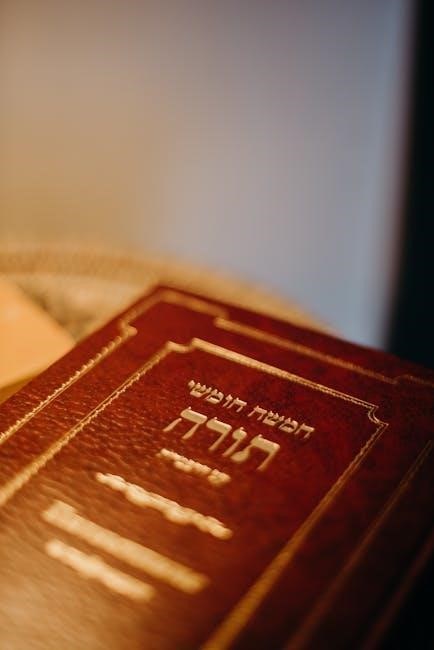
Blessings Before the Torah Reading
Before the Torah reading, two key blessings are recited, initiating a sacred moment. PDF resources, like Mishkan Tfillah, provide the precise wording for these essential prayers.
The “Baruch Atah Adonai” Blessing

The “Baruch Atah Adonai” blessing, a cornerstone of the Torah service, expresses gratitude to God for choosing the Jewish people from all nations. This foundational blessing, readily available in PDF guides such as Siddur Mishkan Tfillah (page 250), acknowledges the divine gift of the Torah.
The phrase “Asher bachar banu mi-kol ha-amim” – “Who has chosen us from all peoples” – highlights the unique covenant between God and the Jewish community. Reciting this blessing isn’t merely a ritual; it’s a profound affirmation of faith and heritage.
It sets the stage for the Torah reading, preparing the congregation to receive the divine word. The blessing’s structure and precise wording are crucial, emphasizing the importance of intentionality and reverence. Resources like Chabad.org offer further insights into its meaning and proper recitation.
Detailed Breakdown of the First Blessing
The first blessing, “Baruch Atah Adonai,” is meticulously structured to convey profound meaning. It begins with the standard blessing formula, acknowledging God’s attributes. The core phrase, “Asher bachar banu mi-kol ha-amim,” specifically thanks God for choosing the Jewish people. This selection, detailed in PDF resources, isn’t arbitrary but signifies a unique covenant.
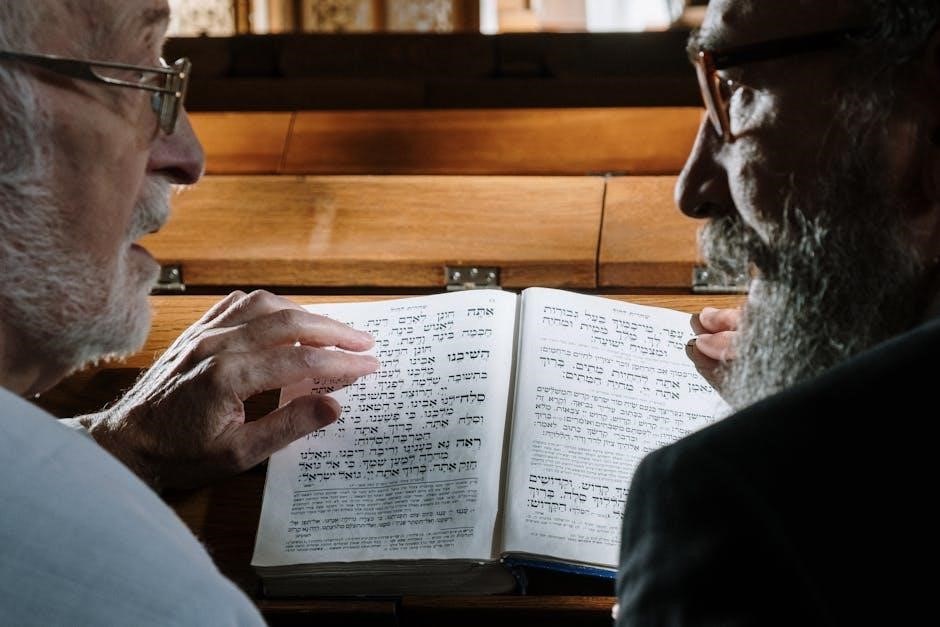
Following this is “v’natan lanu et Toratecha” – “and given us Your Torah.” This acknowledges the Torah as a divine gift, not a human invention. The blessing concludes with “kedoshah u’v’rachah” – “holy and blessed,” emphasizing the Torah’s sacred nature.
Understanding each phrase enhances the recitation’s depth. Guides like Mishkan Tfillah provide transliterations and explanations, aiding proper pronunciation and comprehension. This detailed breakdown reveals the blessing’s layers of gratitude and reverence.
Pronunciation Guide for the First Blessing
Pronouncing the first blessing, “Baruch Atah Adonai,” accurately enhances its spiritual impact. “Baruch” is pronounced Bah-ROOKH (emphasis on the second syllable). “Atah” is Ah-TAH. “Adonai” is Ah-do-NAI (the ‘o’ sounds like ‘oh’). Resources, often available as a PDF, offer phonetic breakdowns.
“Eloheinu” is Eh-lo-HEI-nu. “Melech” is MEH-lech. “Ha-olam” is Hah-OH-lahm. “Asher” is Ah-SHER. “Bachar” is Bah-CHAR. “Banu” is Bah-NOO. “Mi-kol” is Mee-KOL. “Ha-amim” is Hah-ah-MEEM.
“V’natan” is Vee-nah-TAN. “Lanu” is Lah-NOO. “Et Toratecha” is Et To-RAH-teh-chah. Practicing with audio guides, frequently found in PDF study materials, is highly recommended. Correct pronunciation demonstrates respect and deepens connection to the text.
Congregational Response to the First Blessing
Following the recitation of the first blessing, “Baruch Atah Adonai,” the congregation responds with a powerful affirmation: “Baruch Adonai Ha-mvorach lolam va-ed.” This phrase, meaning “Blessed is the Lord, blessed forever,” acknowledges God’s eternal blessing.
Pronunciation is key: “Baruch” (Bah-ROOKH), “Adonai” (Ah-do-NAI), “Ha-mvorach” (Hah-meh-vo-RACH), “lolam” (lo-LAHM), and “va-ed” (vah-ED). Many PDF guides dedicated to synagogue etiquette include transliterations and audio samples to aid in accurate recitation.
This communal response isn’t merely a formality; it’s an active participation in the sacred moment, uniting the congregation in praise. Finding resources, often in PDF format, detailing the significance of this response enhances understanding and devotion.
The “Baruch Atah Adonai” ⸺ Second Blessing
The second blessing, also beginning with “Baruch Atah Adonai,” expresses gratitude for God choosing the Jewish people “mi-kol ha-amim” – from all nations – and gifting them with the Torah. This blessing acknowledges the unique covenant between God and Israel.
The full blessing, often available in synagogue PDF guides like Mishkan Tfillah, continues, recognizing God as the source of commandments and the one who sanctifies us through divine instruction. Accurate recitation is vital.
Many online resources and downloadable PDFs offer transliterations to assist with pronunciation. Understanding the meaning behind each phrase deepens the spiritual connection to the Torah reading. This blessing prepares the community to receive the word of God.
Detailed Breakdown of the Second Blessing
The second blessing, “Baruch Atah Adonai, Eloheinu Melech ha-olam…” is meticulously structured. It begins with praise, acknowledging God’s attributes. The phrase “asher bachar banu” highlights God’s chosen relationship with the Jewish people.
“V’natan lanu et Toratecha” expresses gratitude for receiving the Torah. “Kedoshim b’mitzvotav” recognizes the holiness derived from observing God’s commandments. Synagogue PDF resources, like those from Chabad.org, detail each phrase.
The blessing concludes with “asher kadashanu b’mitzvotav,” emphasizing sanctification through adherence to divine law. PDF guides often provide translations and explanations, aiding comprehension. Proper articulation and understanding elevate the Torah reading experience.
Pronunciation Guide for the Second Blessing
The second blessing’s pronunciation requires careful attention. “Baruch Atah Adonai” is pronounced: Bah-rookh Ah-tah Ah-do-nai. “Eloheinu” is Eh-lo-hay-nu, with emphasis on the ‘hay’ syllable. “Melech ha-olam” translates to Meh-lech hah-oh-lahm.
“Asher bachar banu” is Ah-sher bah-char bah-nu. “V’natan lanu et Toratecha” becomes V’nah-tan lah-nu et To-rah-teh-cha. Resources like PDF guides from Mishkan Tfillah offer phonetic breakdowns.
“Kedoshim b’mitzvotav” is Keh-do-shim b’mitz-vo-tav. Finally, “asher kid’shanu b’mitzvotav” is Ah-sher ki-deh-shah-nu b’mitz-vo-tav. Online PDF documents often include audio samples for accurate pronunciation, enhancing the recitation.

Blessings After the Torah Reading
After-blessings (Birkat HaTorah), detailed in PDF guides, express gratitude for the Torah’s gift. These blessings conclude the reading, solidifying its spiritual impact.
Variations exist, but the core message remains consistent: acknowledging God’s enduring covenant with the Jewish people.
The After-Blessing (Birkat HaTorah)
Birkat HaTorah, the after-blessing, is a crucial component of the Torah reading service, expressing profound gratitude to God for the gift of the Torah. Often found detailed within PDF resources like printable blessing guides and the Siddur Mishkan Tfillah (page 250), this blessing formally concludes the reading and its associated spiritual experience.
The core of the Birkat HaTorah centers on acknowledging God’s selection of the Jewish people “mi-kol ha-amim” (from all nations) and bestowing upon them the sacred Torah. It’s a recognition of the unique covenant established and the ongoing responsibility to uphold its teachings. Recitation typically follows the Torah reading and any associated haftarah portion.
The blessing isn’t merely a formulaic recitation; it’s intended to be a heartfelt expression of thankfulness, reinforcing the connection between the community and the divine word. Understanding its meaning, often aided by translations in PDF documents, enhances the experience for both the aliyah recipient and the congregation.
Variations in After-Blessing Recitation
While the core text of Birkat HaTorah remains consistent, variations in its recitation exist across different Jewish traditions. These nuances are often detailed in comprehensive PDF guides on Torah blessings, catering to diverse liturgical practices; Reconstructionist approaches, for example, may emphasize the ongoing relevance and evolving interpretation of the Torah, subtly influencing the blessing’s delivery.
The Siddur Mishkan Tfillah, a common resource, provides a standard formulation, but slight variations in pronunciation or emphasis can occur. Furthermore, the role of the aliyah recipient impacts the recitation; they lead the blessing, with the congregation responding with “Baruch Adonai Ha-mvorach lolam va-ed.”
Understanding these variations, often clarified in online PDF documents, fosters inclusivity and appreciation for the richness within Jewish practice. Resources like Chabad.org offer insights into specific customs, ensuring respectful and informed participation in the service.
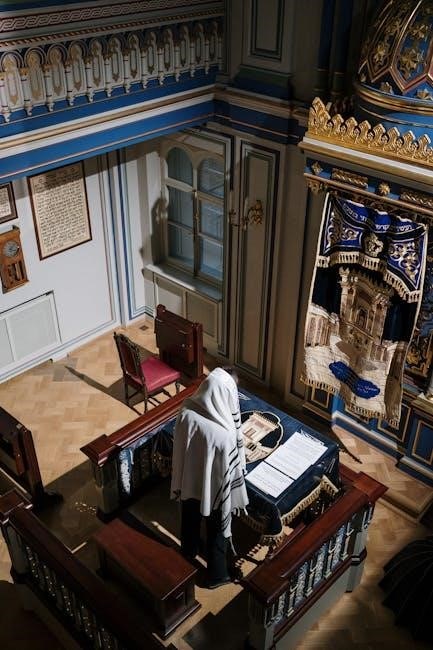
The Role of the Aliyah Reciter
The individual called to the aliyah holds a pivotal role in the Torah service, extending beyond simply reading from the scroll. They are entrusted with leading the blessings both before and after the reading, acting as a bridge between the congregation and the sacred text. Detailed instructions, often found in PDF guides like those available on Chabad.org, prepare the aliyah recipient for this honor.
Before the reading, the reciter leads the “Baruch Atah Adonai” blessings, with the congregation responding. After the reading, they recite Birkat HaTorah, again prompting a communal response. This highlights the communal nature of the ritual, not an individual performance.
Resources like Mishkan Tfillah (page 250) provide the necessary text and guidance. Understanding this role, often clarified in downloadable PDFs, enhances the significance of receiving an aliyah.
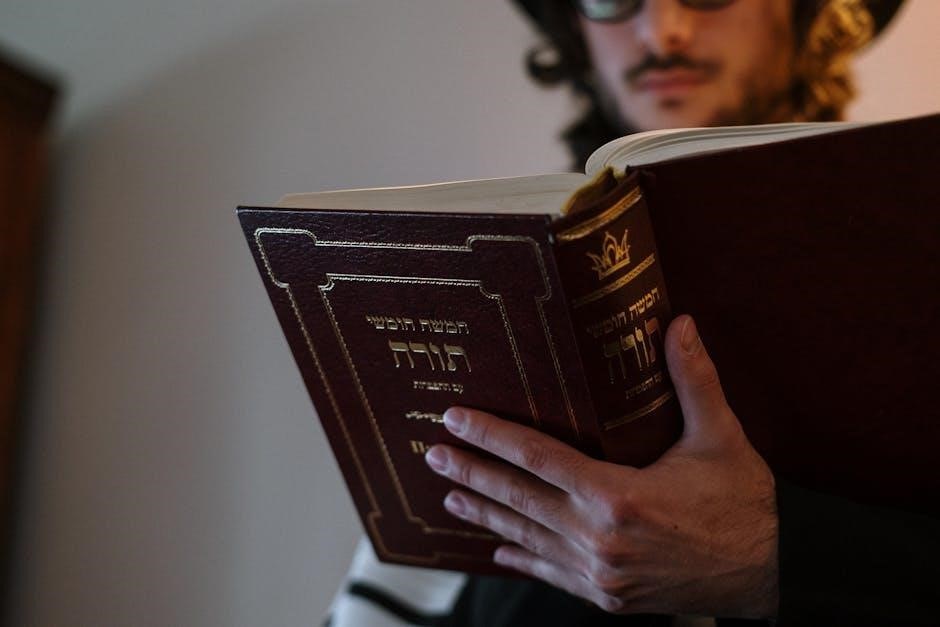
Understanding Aliyah and its Connection to Blessings
Aliyah, receiving the honor of Torah reading, is intrinsically linked to reciting blessings. PDF guides detail the procedure, emphasizing communal participation and reverence.
These blessings frame the aliyah, acknowledging God’s gift.
Procedure for Receiving an Aliyah
Receiving an Aliyah is a deeply meaningful experience within the synagogue service. When called, approach the Torah reader with respect and humility. PDF resources, such as those available on Chabad.org, often outline the steps.
First, you’ll typically state your Hebrew name (and your father’s Hebrew name, if known) before the congregation. This declaration connects you to your ancestors and the ongoing chain of Jewish tradition.
Following this, you stand to the side of the Torah scroll while the blessings are recited – both before and after the reading. It’s customary to listen attentively and respond appropriately to the congregational prompts. After the reading, a brief prayer is often offered, expressing gratitude for the opportunity to participate in this sacred ritual. Many PDF guides provide transliterations to aid pronunciation.
Remember, the aliyah isn’t solely an individual honor; it’s a communal act of connecting with the Torah.
Hebrew Names and Aliyah
The recitation of Hebrew names before receiving an Aliyah is a cornerstone of the tradition, linking individuals to their Jewish heritage. PDF guides detailing synagogue procedures emphasize this practice. It’s more than just identification; it’s a declaration of belonging to a lineage stretching back to Abraham, Isaac, and Jacob.
You’ll state your name and your father’s Hebrew name – “Ben/Bat [Father’s Hebrew Name]” – acknowledging your paternal connection. If you don’t know your father’s Hebrew name, simply state your own. Resources like those on Chabad.org can assist in finding Hebrew equivalents.
This practice reinforces the communal nature of the Torah reading. The blessings before and after, coupled with the name recitation, create a powerful spiritual experience. Many PDFs offer pronunciation assistance for Hebrew names, ensuring respectful and accurate delivery during the Aliyah.
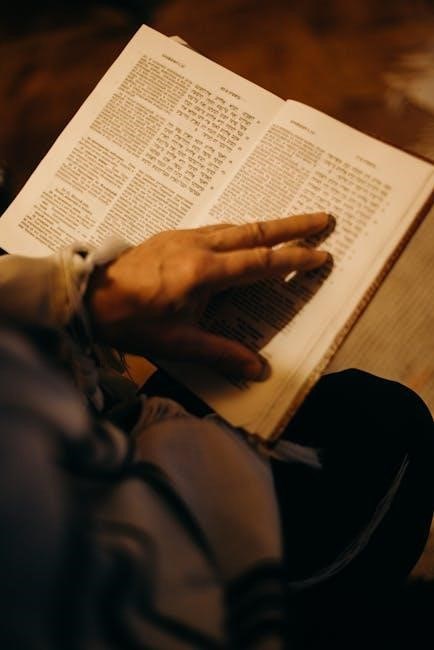
Resources for Learning Torah Blessings
Siddur Mishkan Tfillah (page 250) and Chabad.org offer comprehensive guides. Numerous PDF documents provide translations and pronunciations for blessings.
Reconstructionist approaches also present unique perspectives on these sacred texts, available online for deeper study.
Siddur Mishkan Tfillah ⸺ Page 250
Page 250 of the Siddur Mishkan Tfillah serves as a vital resource for those learning the blessings recited before and after the Torah reading. This section provides the complete Hebrew text of both the blessings preceding the Torah service – the Baruch Atah Adonai blessings – and the Birkat HaTorah, the after-blessing.
Crucially, it includes a transliteration to aid pronunciation for those less familiar with Hebrew reading. Alongside the Hebrew and transliteration, a clear English translation is provided, allowing for a deeper understanding of the meaning and intent behind each word. This makes it particularly useful for individuals preparing to receive an Aliyah and lead the blessings themselves.
The Siddur’s layout is designed for ease of use during services, with clear markings to indicate where the leader and congregation participate. Many find having a physical copy of the PDF version of this page readily available during study and practice to be incredibly beneficial.
Chabad.org Resources on Torah Blessings
Chabad.org offers a comprehensive collection of resources dedicated to understanding and properly reciting the blessings before and after the Torah reading. Their website features detailed explanations of the Baruch Atah Adonai blessings, including the congregational responses like “Baruch Adonai Ha-mvorach lolam va-ed.”
You’ll find articles outlining the procedure for receiving an Aliyah, emphasizing the communal nature of the Torah reading. They also address the proper recitation of Hebrew names before the blessing, a common point of inquiry. Chabad.org provides audio pronunciations, assisting with accurate articulation of the Hebrew text.
While not a single PDF document, the site allows users to compile information for personal study. Their resources clarify the historical context, tracing the origins of these blessings back to the Talmud, making it a valuable online learning tool.
Reconstructionist Approaches to Torah Blessings
Reconstructionist Judaism offers a nuanced perspective on traditional Torah blessings, emphasizing meaning and personal connection over strict adherence to formulaic recitation. While acknowledging the historical significance of the blessings before and after the Torah reading, Reconstructionism encourages mindful engagement with the text.
Unlike some traditional approaches, Reconstructionist communities often prioritize understanding the themes of the Torah portion and relating them to contemporary life. Resources, though not typically consolidated into a single PDF, focus on fostering a sense of collective responsibility and democratic participation in the service.
They may adapt the wording of the blessings to reflect egalitarian values and a non-theistic understanding of God. Emphasis is placed on the ethical implications of the Torah, rather than solely on ritual observance, promoting a dynamic and evolving practice.

PDF Resources for Torah Blessings
PDF guides, like those from Mishkan Tfillah, offer convenient access to blessings before and after Torah readings.
These printable resources aid in accurate recitation and understanding.
Online documents provide translations and transliterations, supporting learners of all levels in engaging with these sacred texts.
Availability of Printable Blessing Guides
Numerous printable blessing guides are readily available online in PDF format, catering to diverse needs and preferences. These resources are particularly helpful for individuals preparing for an Aliyah or wishing to deepen their familiarity with the liturgical framework surrounding Torah readings.
Resources like Mishkan Tfillah, often accessible as a PDF, contain the complete text of the blessings before and after the Torah portion, alongside transliterations and helpful annotations. Many synagogues also offer custom-designed PDF guides tailored to their specific nusach (pronunciation tradition).
Searching online for “Torah blessings PDF” yields a wealth of options, ranging from simple, concise guides to more comprehensive documents including explanations of the blessings’ meanings and historical context. These PDFs allow for easy printing and portability, making them ideal for personal study or use during synagogue services.
Online PDF Documents with Blessings and Translations
Several websites host PDF documents containing the blessings recited before and after the Torah reading, often including both the Hebrew text and English translations. These resources are invaluable for those seeking to understand the meaning behind the liturgical phrases and practice proper pronunciation.
Chabad.org provides accessible PDF guides detailing the Birkat HaTorah and related blessings, alongside audio pronunciations. Other sites offer comparative analyses of different nusachot (pronunciation traditions) within the PDF format.
These PDFs frequently include transliterations to aid in learning the Hebrew, and explanations of the historical and theological significance of each blessing. Searching for “Torah blessings PDF translation” will reveal a variety of options, catering to different levels of Hebrew proficiency and liturgical understanding. These documents facilitate deeper engagement with the Torah service.