guide to motorbikes
Embarking on a motorcycling journey is thrilling‚ yet selecting the right bike can be daunting․ This guide simplifies the process‚ covering types‚
considerations‚ and essential gear for new riders․
Motorcycling offers a unique blend of freedom and exhilaration‚ but entering this world requires informed decisions․ Choosing your first motorbike involves understanding the diverse types available and matching one to your riding style and experience level․ From comfortable cruisers ideal for relaxed journeys to versatile dual-sport bikes capable of handling both on and off-road terrain‚ the options are plentiful․
This guide aims to demystify the process‚ providing a comprehensive overview to help new riders navigate the exciting‚ yet sometimes overwhelming‚ landscape of motorbikes; We’ll explore key considerations‚ safety tips‚ and essential gear to ensure a confident and enjoyable start to your motorcycling adventure․
Motorbike Types for Beginners
For novice riders‚ certain motorbike types stand out due to their forgiving nature and ease of handling․ Cruisers prioritize comfort‚ featuring low seat heights perfect for shorter riders and relaxed riding positions ideal for city commutes or long-distance touring․ Standard or naked bikes offer a balanced experience‚ combining comfort with nimble handling․
Sportbikes‚ while tempting‚ generally require more experience due to their aggressive riding posture and powerful engines․ Considering these factors will help beginners select a motorbike that fosters confidence and enjoyment from the very first ride․
Cruiser Motorbikes
Cruiser motorbikes are renowned for their comfortable riding experience‚ prioritizing relaxation over outright speed․ They boast a low seat height‚ making them exceptionally accessible for shorter riders and those new to motorcycling․ This design feature enhances confidence and control‚ particularly at lower speeds and during stops․
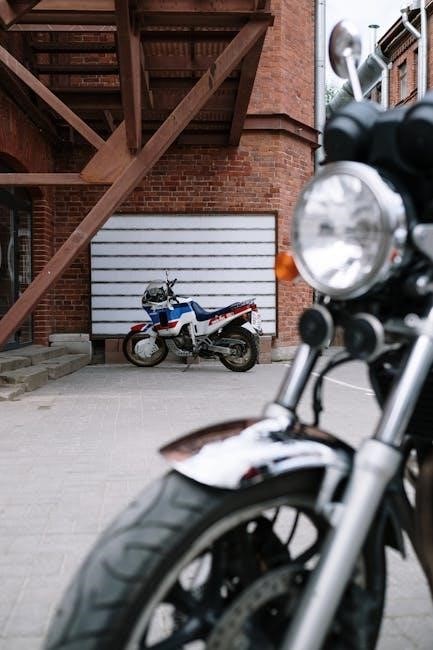
Cruisers excel in urban environments‚ navigating traffic lights with ease‚ and are equally well-suited for leisurely long rides․ While generally not as fast as sportbikes‚ cruisers compensate with unparalleled comfort and a classic aesthetic․
Standard/Naked Motorbikes
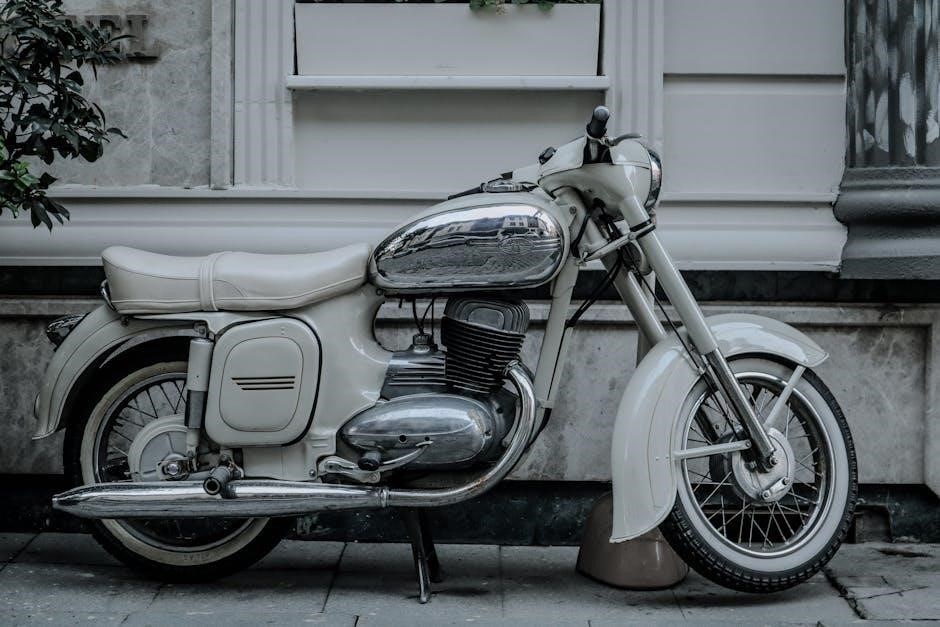
Standard‚ or naked‚ motorbikes offer a versatile riding experience‚ blending aspects of both cruisers and sportbikes․ They typically feature an upright riding position‚ providing good visibility and comfort for various riding conditions․ These bikes often lack extensive fairings‚ exposing the engine and mechanical components – hence the “naked” moniker․
This simplicity contributes to a lighter weight and often a more affordable price point․ They are a practical choice for daily commuting‚ weekend trips‚ and learning the fundamentals of motorcycling‚ offering a balanced and engaging ride․
Sportbikes
Sportbikes are engineered for performance‚ prioritizing speed‚ agility‚ and precise handling․ Characterized by their aerodynamic fairings‚ aggressive riding positions‚ and powerful engines‚ they excel on twisty roads and racetracks․ These machines typically demand a more experienced rider due to their responsive throttle and sensitive controls․
While exhilarating‚ sportbikes often sacrifice comfort for performance․ Seat heights can be higher‚ and the forward-leaning posture may not be ideal for long-distance touring․ They generally aren’t the first choice for beginners‚ but offer a thrilling experience for those seeking a dynamic ride․
Dual-Sport Motorbikes
Dual-sport motorcycles bridge the gap between on-road and off-road capabilities‚ offering versatility for riders who enjoy both paved and unpaved surfaces․ These bikes feature long-travel suspension‚ knobby tires‚ and a comfortable upright riding position․ Models like the Suzuki DR200S‚ Honda CRF250L‚ and Kawasaki KLX250 blend comfort‚ luggage space‚ and affordability‚ making them excellent choices for beginners․
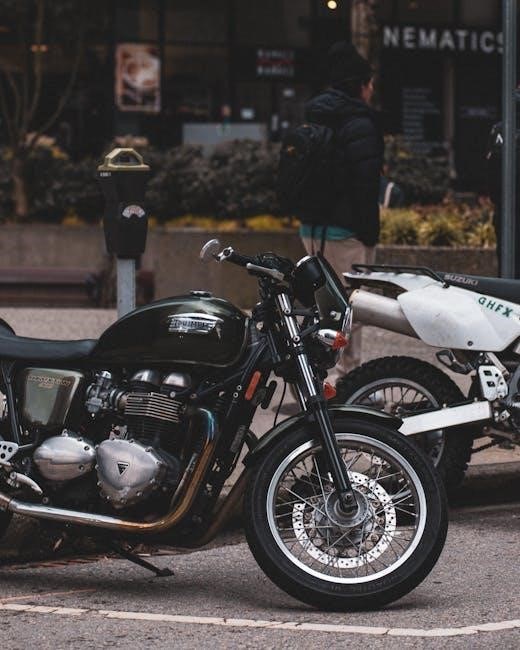
They’re a fantastic option for exploring diverse terrains‚ from commuting to weekend adventures on trails․ Dual-sports provide a balanced riding experience‚ suitable for those seeking adaptability․
Advantages of Dual-Sport Bikes
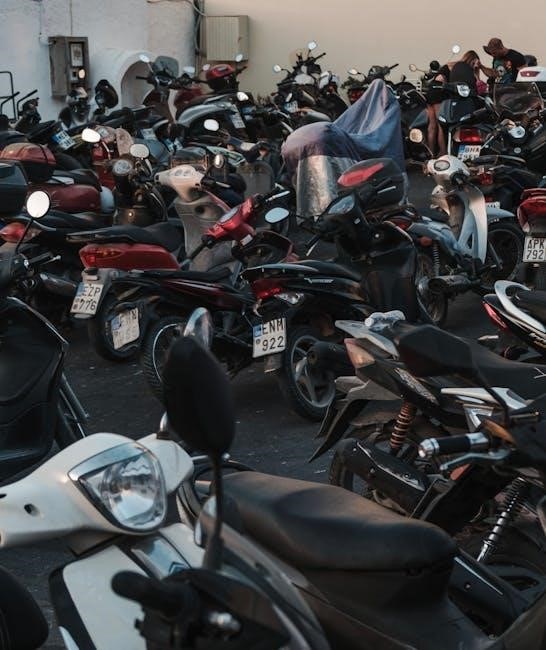
Dual-sport motorbikes excel in their adaptability‚ offering a unique blend of on and off-road performance․ Their versatility allows riders to seamlessly transition between commuting‚ trail riding‚ and exploring varied landscapes․ This makes them ideal for adventurers seeking freedom and flexibility․ They often boast comfortable ergonomics‚ suitable for longer journeys‚ and are generally more affordable than dedicated off-road machines․
Furthermore‚ their upright riding position enhances visibility and control‚ contributing to a safer and more enjoyable experience for beginners and experienced riders alike․
Popular Dual-Sport Models
Several dual-sport models consistently receive high praise from both beginners and seasoned riders․ The Suzuki DR200S stands out for its affordability and user-friendliness‚ making it a fantastic entry point․ Honda’s CRF250L and Kawasaki’s KLX250 are also popular choices‚ offering a balance of performance and capability․ For those seeking a slightly larger displacement‚ the Yamaha XT250 provides comfortable touring and capable off-road handling․
These models are known for their reliability‚ ease of maintenance‚ and suitability for diverse riding conditions․
Adventure Motorbikes
Adventure motorbikes‚ often called “adv” bikes‚ are designed for long-distance travel on both paved and unpaved roads․ They blend comfort‚ durability‚ and off-road capability‚ making them ideal for exploring varied terrains․ These bikes typically feature larger engines‚ long-travel suspension‚ and ample luggage capacity․ While generally not recommended as a first bike due to their size and weight‚ they represent a popular progression for riders seeking more extensive travel opportunities․
They are built for exploration and endurance․
Choosing Your First Motorbike: Key Considerations
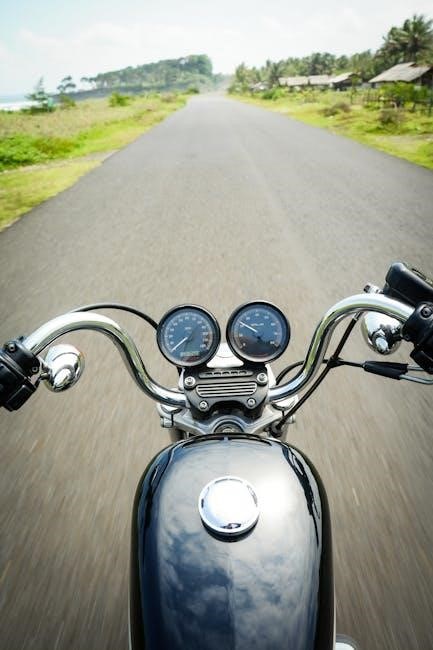
Selecting your initial motorbike requires careful thought․ It’s an exciting‚ yet potentially overwhelming‚ decision with numerous options available; Prioritize factors aligning with your riding style and physical attributes․ Engine size and power are crucial; beginners should opt for smaller displacement engines for manageability․ Seat height and ergonomics impact control and comfort – ensure you can comfortably reach the ground․ Finally‚ consider the weight of the motorbike; a lighter bike is easier to handle‚ especially during low-speed maneuvers and parking․
Engine Size and Power
For novice riders‚ engine size and power are paramount considerations․ Larger engines deliver more power‚ which can be intimidating and difficult to control․ Beginners should prioritize smaller displacement engines‚ typically under 500cc‚ offering a manageable power curve․ These engines provide sufficient power for learning and building confidence without being overwhelming․ Cruisers‚ generally slower‚ prioritize comfort‚ while sportbikes offer higher performance․ Selecting an appropriately sized engine ensures a safer and more enjoyable learning experience‚ fostering control and skill development․
Seat Height and Ergonomics
Proper seat height and ergonomics are crucial for beginner riders‚ directly impacting control and comfort․ Lower seat heights‚ characteristic of cruiser motorbikes‚ allow easier foot placement‚ boosting confidence‚ especially for shorter individuals․ Ergonomics refer to the bike’s design and how it fits the rider’s body․ A comfortable riding position minimizes strain and fatigue during learning․ Prioritize bikes where you can comfortably reach the handlebars and footpegs․ Ill-fitting ergonomics can hinder control and make the riding experience unpleasant‚ potentially unsafe․
Weight of the Motorbike
A motorbike’s weight significantly influences handling‚ particularly for beginners․ Heavier bikes demand more strength and experience to maneuver‚ especially at low speeds or during unexpected situations․ Lighter motorbikes offer increased agility and are far more forgiving‚ building rider confidence․ Beginners should prioritize lighter models like the Suzuki DR200S or Honda CB500 series․ These bikes are easier to control and less intimidating․ Remember‚ managing a lighter machine allows focus on mastering fundamental skills‚ rather than battling the bike’s weight․
New vs․ Used Motorbikes
Deciding between a new or used motorbike is a crucial step for beginners․ New bikes offer the latest technology‚ full warranties‚ and pristine condition‚ but come with a higher price tag and immediate depreciation․ Used motorbikes present a more affordable entry point‚ allowing beginners to gain experience without significant financial risk․ However‚ used bikes require careful inspection for potential maintenance issues․ A comprehensive guide emphasizes that buying used can be excellent for beginners‚ but thorough research and a pre-purchase inspection are essential․
Benefits of Buying Used
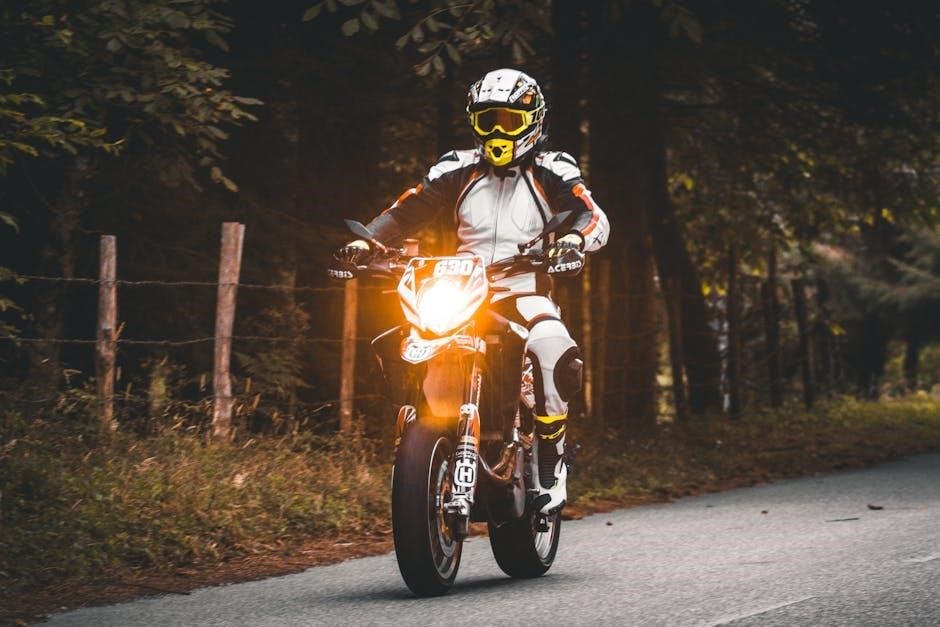
Purchasing a used motorbike offers significant financial advantages for new riders․ The initial cost is considerably lower than a new model‚ mitigating the risk of expensive damage during the learning phase․ Depreciation is less of a concern‚ as the previous owner has already absorbed the steepest decline in value․ This allows beginners to allocate funds towards essential gear and rider training․ A used bike provides a practical entry point into motorcycling‚ enabling riders to gain experience and confidence without a substantial financial commitment․
Potential Risks of Buying Used
While cost-effective‚ buying a used motorbike carries inherent risks․ The bike’s history may be unknown‚ potentially concealing prior accidents or neglected maintenance․ Mechanical issues could be present‚ requiring costly repairs shortly after purchase․ Unlike new bikes‚ used models typically lack warranties‚ leaving the buyer responsible for all repair expenses․ Thorough inspection by a qualified mechanic is crucial‚ alongside verifying the vehicle’s history report․ Careful due diligence minimizes the chance of acquiring a problematic machine․
Essential Motorbike Gear
Prioritizing safety demands proper gear․ A helmet is paramount‚ meeting established safety standards like DOT or ECE․ Protective clothing – jackets‚ pants‚ gloves‚ and boots – shields against abrasion and impact․ Look for abrasion-resistant materials and integrated armor․ Gloves enhance grip and protect hands‚ while sturdy boots offer ankle support․ Investing in quality gear isn’t an expense‚ but a vital component of responsible riding․ It significantly reduces injury risk in the event of an accident‚ ensuring rider wellbeing․
Helmet Safety Standards
Choosing a helmet requires understanding safety certifications․ DOT (Department of Transportation) is the minimum legal standard in the US‚ ensuring basic protection․ However‚ ECE 22․06 (Economic Commission for Europe) offers more rigorous testing and is widely considered superior․ SHARP (Safety Helmet Assessment and Rating Programme) independently rates helmets based on impact performance․ Always verify a helmet carries one of these certifications․ A properly fitted helmet is crucial; it shouldn’t move excessively and should feel snug but comfortable‚ safeguarding against head injuries․
Protective Clothing (Jackets‚ Pants‚ Gloves‚ Boots)
Beyond a helmet‚ full protective gear is vital․ Jackets and pants made from abrasion-resistant materials like leather or reinforced textiles offer crucial protection in a slide․ Gloves protect hands‚ and should cover the entire hand and wrist․ Boots‚ ideally motorcycle-specific‚ provide ankle support and protection․ Look for armor in key impact areas – shoulders‚ elbows‚ knees‚ and back․ Investing in quality gear significantly reduces injury risk․ Prioritize fit; gear should be comfortable and allow full range of motion while riding safely․
Motorbike Maintenance Basics
Regular maintenance ensures your motorbike’s reliability and safety․ Frequently check tire pressure and tread depth‚ inspect fluid levels (oil‚ coolant‚ brake fluid)‚ and examine brake pads for wear․ A well-maintained chain is crucial; clean‚ lubricate‚ and adjust it regularly․ Ignoring these basics can lead to costly repairs and dangerous situations․ Learning these simple checks empowers you to identify potential issues early‚ keeping your ride smooth and secure․ Consistent upkeep extends your motorbike’s lifespan significantly․
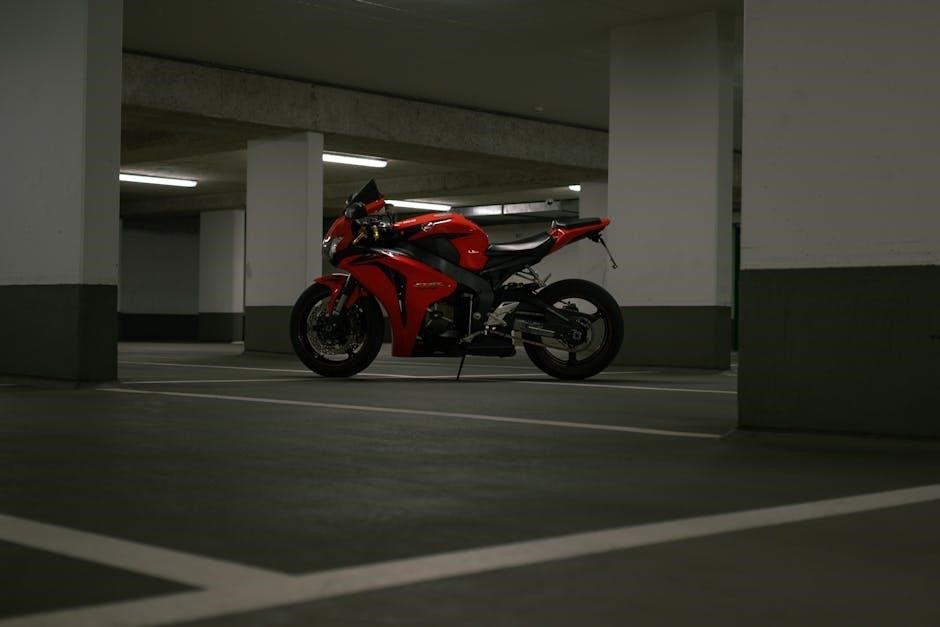
Regular Checks (Tires‚ Fluids‚ Brakes)
Prioritize consistent checks of your motorbike’s vital components․ Inspect tire pressure before each ride and examine tread wear for safety․ Monitor fluid levels – oil‚ coolant‚ and brake fluid – topping off as needed․ Thoroughly check brake levers and pedal feel‚ and visually inspect brake pads for sufficient material․ Look for any leaks or unusual noises․ These routine inspections‚ performed regularly‚ contribute significantly to a safe and reliable riding experience‚ preventing unexpected breakdowns․
Importance of Chain Maintenance
Proper chain maintenance is crucial for motorbike longevity and performance․ A well-maintained chain ensures smooth power delivery and extends the lifespan of sprockets․ Regularly clean the chain with a dedicated cleaner‚ removing dirt and grime․ Apply chain lubricant after cleaning‚ ensuring even coverage․ Check for proper tension; a loose chain can cause damage‚ while a tight chain strains components․ Ignoring chain maintenance leads to premature wear‚ reduced efficiency‚ and potentially dangerous riding conditions․
Motorbike Safety Tips for Beginners
Prioritizing safety is paramount for new riders․ Practice defensive riding techniques‚ anticipating potential hazards and maintaining a safe following distance․ Enhance road awareness‚ constantly scanning for vehicles‚ pedestrians‚ and obstacles․ Develop hazard perception skills‚ recognizing and reacting to potential dangers promptly․ Avoid distractions and always ride within your skill level․ Remember‚ visibility is key; wear bright clothing and use headlights․ Consistent practice and a cautious approach are vital for a safe and enjoyable riding experience․
Defensive Riding Techniques
Mastering defensive riding is crucial for mitigating risks․ Assume other drivers don’t see you and anticipate their potential mistakes․ Maintain a safe following distance‚ allowing ample reaction time․ Use the two-second rule‚ increasing it in adverse conditions․ Scan intersections thoroughly before entering‚ and always signal your intentions clearly․ Position yourself to be visible‚ utilizing lane positioning for optimal sightlines․ Be prepared to brake or swerve to avoid collisions‚ practicing emergency maneuvers in a safe environment․
Road Awareness and Hazard Perception
Cultivate heightened road awareness by constantly scanning your surroundings․ Identify potential hazards – potholes‚ gravel‚ pedestrians‚ and other vehicles․ Anticipate how these hazards might evolve and affect your ride․ Look far ahead‚ beyond the immediate vicinity‚ to assess traffic flow and potential dangers․ Be mindful of blind spots and check them frequently․ Recognize that weather conditions significantly impact road surfaces and visibility․ Practice hazard perception exercises to sharpen your ability to quickly identify and react to threats․
Recommended Beginner Motorbikes
For newcomers‚ the Yamaha R3/MT-03 offers a blend of sporty aesthetics and manageable power․ The Suzuki TU250X is praised for its user-friendly nature and comfortable riding position․ Honda’s CB500 series – including the CB500F‚ CBR500R‚ and CB500X – provides reliability and versatility․ Suzuki’s DR200S is a durable and affordable dual-sport option․ Consider the Honda Rebel 500 for a stylish cruiser experience․ These models consistently receive positive feedback for their forgiving handling and suitability for new riders․
Yamaha R3/MT-03
The Yamaha R3‚ a fully-faired sportbike‚ and its naked sibling‚ the MT-03‚ are frequently recommended for beginners․ They strike an excellent balance between sporty performance and approachable handling․ These bikes boast a responsive 321cc parallel-twin engine‚ delivering sufficient power without being overwhelming․ Their lightweight chassis contributes to nimble maneuverability‚ boosting rider confidence․ Both models offer comfortable ergonomics for various riding styles‚ making them suitable for commutes and weekend adventures․ They are consistently praised as excellent choices for new motorcyclists․
Honda CB500 Series
Honda’s CB500 series – encompassing the CB500F (naked)‚ CBR500R (sportbike)‚ and CB500X (adventure) – provides versatile options for beginners․ These bikes are powered by a reliable 471cc parallel-twin engine‚ known for its smooth power delivery and fuel efficiency․ They offer a comfortable riding position‚ making them suitable for longer journeys and daily commutes․ The CB500 series is praised for its forgiving nature and predictable handling‚ inspiring confidence in new riders․ These models represent a solid choice‚ balancing performance with practicality․
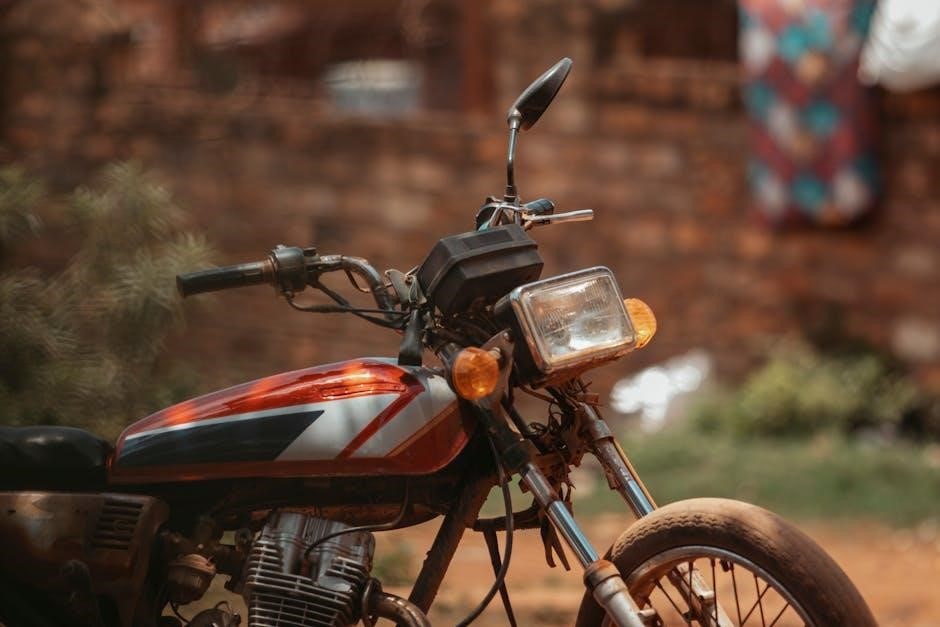
Suzuki DR200S/TU250X
Suzuki offers excellent beginner options with the DR200S and TU250X․ The DR200S‚ a dual-sport‚ is incredibly approachable‚ lightweight‚ and affordable‚ making it ideal for learning off-road skills․ Its simple air-cooled engine is remarkably reliable and easy to maintain․ The TU250X‚ a standard/naked bike‚ provides a comfortable‚ upright riding position and a classic aesthetic․ Both models boast low seat heights‚ boosting rider confidence․ These bikes are known for their forgiving nature and suitability for new riders exploring the world of motorcycling․
Motorbike Licensing and Training
Obtaining a motorcycle license is crucial before hitting the road․ Requirements vary by location‚ typically involving a written knowledge test and a practical riding skill assessment․ Beyond the license‚ investing in professional rider training courses is highly recommended․ These courses provide essential skills and hazard perception techniques‚ significantly enhancing safety․ Proper training builds confidence and equips beginners with the necessary tools to navigate traffic effectively․ Prioritizing education minimizes risks and fosters responsible riding habits‚ ensuring a safe and enjoyable motorcycling experience․
Motorbike License Requirements
Securing a motorcycle license generally begins with a learner’s permit‚ demanding a written exam assessing road rules and motorcycle-specific knowledge․ Following this‚ a skills test evaluates your ability to control the motorbike safely․ Specific requirements differ significantly by state or country‚ often involving vision tests and age restrictions; Some jurisdictions mandate completing a basic rider course before the skills test․ Always verify the precise requirements with your local Department of Motor Vehicles (DMV) or equivalent agency to ensure full compliance․
Importance of Rider Training Courses
Enrolling in a rider training course is invaluable‚ even for experienced cyclists transitioning to motorbikes; These courses provide a controlled environment to learn fundamental skills like clutch control‚ braking‚ and cornering․ Instructors offer expert guidance‚ fostering safe riding habits from the outset․ Many courses utilize range exercises and classroom instruction‚ building confidence and hazard perception․ Completing a course often waives portions of the motorcycle skills test‚ streamlining the licensing process․ Prioritizing training significantly reduces risk and enhances enjoyment․