mollow voyage a velo guide
Mollow Voyage à Vélo: A Comprehensive Guide (Updated February 17, 2026)
Embark on an extraordinary cycling adventure! This guide details Mollow’s incredible journey, beginning August 13th, 2024, aiming for Japan, meticulously planned since late 2023․
Mollow’s Voyage à Vélo is an inspiring tale of youthful ambition and long-distance cycling․ In August 2024, a recently-turned-adult embarked on a remarkable bicycle journey with Japan as the ultimate destination․ This wasn’t a spontaneous decision; meticulous preparation began in late 2023, highlighting dedication and foresight․
The voyage taps into the growing trend of bicycle touring, an activity currently generating an estimated 4․2 billion euros annually in direct economic impact․ Mollow’s adventure exemplifies this rising popularity, showcasing the allure of self-propelled exploration and the desire for immersive travel experiences․ This guide will delve into the specifics of his journey, offering insights and practical advice for aspiring cycle tourists․
The Rising Popularity of Bicycle Touring
Bicycle touring is experiencing a significant surge in popularity, driven by a desire for sustainable travel, physical challenge, and authentic cultural immersion․ No longer a niche activity, it’s becoming a mainstream travel option for adventurers of all ages and backgrounds․ This growth is reflected in substantial economic benefits, with the sector generating approximately 4․2 billion euros annually in direct economic returns․
Several factors contribute to this trend, including increased awareness of environmental issues, a growing focus on health and wellness, and the accessibility of information and resources for planning cycle tours․ Mollow’s Voyage à Vélo perfectly embodies this movement, inspiring others to consider the bicycle as a viable and rewarding mode of exploration․
Economic Impact of Cycling Tourism
Cycling tourism represents a substantial and growing economic force, injecting significant revenue into local economies along popular routes․ The industry currently generates an impressive 4․2 billion euros annually in direct economic impact, demonstrating its considerable contribution to the travel sector․ This figure encompasses spending on accommodation, food, bike rentals, repairs, and local attractions․
The economic benefits extend beyond direct tourism expenditure․ Cycle tourism often supports smaller, locally-owned businesses, fostering sustainable economic development in rural areas․ Mollow’s journey, and others like it, contribute to this positive impact by patronizing local services and showcasing destinations to a wider audience, encouraging further investment and growth․
Planning Your Own Voyage à Vélo
Dreaming of a cycling adventure? Careful planning is key! Define your route, set a realistic timeline, and budget wisely for an unforgettable experience;
Defining Your Route & Destination
Embarking on a Voyage à Vélo begins with a clear vision of your destination and the path to reach it․ Mollow’s ambitious goal was Japan, a testament to setting a challenging yet achievable target․ Consider your fitness level, available time, and interests when selecting a destination․
Route planning involves more than just pinpointing endpoints․ Research potential roads, considering surface quality, traffic density, and elevation changes․ Utilize online mapping tools, cycling-specific route planners, and consult with experienced bicycle tourists for valuable insights․ Don’t underestimate the importance of flexibility; be prepared to adjust your route based on weather conditions or unforeseen circumstances․
Break down your overall journey into manageable daily stages, factoring in rest days and potential sightseeing opportunities․ A well-defined route provides structure and enhances the overall enjoyment of your cycling adventure․
Setting a Realistic Timeline
A successful Voyage à Vélo hinges on a well-considered timeline․ Mollow’s journey, initiated in August 2024 with Japan as the destination, required extensive pre-trip planning starting in late 2023․ Avoid the temptation to cram too much into too little time; overestimate distances and underestimate your daily mileage, especially initially․
Factor in rest days – crucial for physical and mental recovery․ Account for potential delays caused by weather, mechanical issues, or simply needing a break․ Be realistic about your average speed, considering terrain and luggage weight․
Create a flexible schedule, allowing for spontaneous detours and unexpected adventures․ A rigid timeline can lead to frustration․ Remember, the journey is as important as the destination․ Prioritize enjoyment and allow yourself the freedom to adapt as needed․
Budgeting for a Long-Distance Cycle Tour
Financial planning is paramount for a Voyage à Vélo․ Cycling tourism generates a significant economic impact – approximately €4․2 billion annually․ However, your personal expenses require careful consideration․ Begin by estimating daily costs, including accommodation (camping is cheaper than hotels), food, water, and potential entry fees․
Allocate funds for bike maintenance and repairs; unexpected issues will arise․ Include a contingency fund for emergencies – at least 10-15% of your total budget․ Research costs in the countries you plan to visit, as prices vary considerably․
Track your spending diligently throughout the trip․ Consider travel insurance that covers cycling-specific incidents․ Remember, a well-managed budget ensures a smoother, more enjoyable experience, allowing you to fully embrace the adventure․
Essential Bike Maintenance Skills
Self-reliance is key on a long-distance cycle tour․ Mastering basic bike maintenance can save you time, money, and potential headaches․ Learn to repair a flat tire – a virtually guaranteed occurrence! Practice adjusting brakes and derailleurs for smooth shifting․ Understanding chain maintenance, including cleaning and lubrication, is crucial for longevity․
Familiarize yourself with identifying and tightening loose bolts․ Carry essential tools and know how to use them effectively․ A basic understanding of wheel truing can prevent more significant issues down the road․
Consider taking a bike maintenance course before departure․ Proactive maintenance minimizes mechanical failures, ensuring a safer and more enjoyable Voyage à Vélo․
Gear & Equipment Checklist
Prepare meticulously for your adventure! This section details essential gear, from selecting the right bicycle to packing clothing for all weather conditions and navigation tools․
Choosing the Right Bicycle for Touring
Selecting a suitable bicycle is paramount for a successful Voyage à Vélo․ Consider durability, comfort, and load-carrying capacity․ Steel-framed bikes are renowned for their robustness and ride quality, absorbing road vibrations effectively, crucial for long distances․ Aluminum frames offer a lighter weight, enhancing speed, but may compromise comfort․
Geometry is also key; a more relaxed geometry promotes a comfortable upright riding position, reducing strain on your back and neck․ Ensure the bike has mounting points for racks and panniers – essential for carrying gear․ Disc brakes provide reliable stopping power in all weather conditions, a significant safety advantage․
Don’t underestimate the importance of a well-fitted saddle and comfortable handlebars․ A professional bike fit is highly recommended to optimize your position and prevent injuries․ Ultimately, the best touring bike is the one that feels most comfortable and reliable for you and your planned route․
Luggage & Panniers: Capacity & Weight Distribution
Efficient packing and weight distribution are critical for a comfortable Voyage à Vélo․ Panniers, attached to front and rear racks, are the primary luggage carriers․ Capacity varies – aim for a total of 40-60 liters, adjusting based on trip length and personal needs․ Prioritize lightweight, waterproof panniers to minimize weight and protect your gear․
Weight distribution is equally important․ Heavier items should be positioned low and centered, close to the bike’s center of gravity․ This enhances stability and handling․ Distribute weight evenly between front and rear panniers, avoiding overloading either side․
Consider a handlebar bag for frequently accessed items like maps, snacks, and a camera․ A small seatpost bag can hold tools and a spare tube․ Remember, minimizing weight is key – every extra pound impacts your energy expenditure and enjoyment!
Clothing for All Weather Conditions
Versatility is paramount when selecting clothing for a long-distance cycle tour․ Layering is essential, allowing you to adapt to changing temperatures and weather patterns․ Pack moisture-wicking base layers, insulating mid-layers (fleece or merino wool), and a waterproof, windproof outer shell jacket and trousers․
Cycling-specific shorts with a padded chamois are crucial for comfort during long rides․ Bring several pairs of cycling socks to prevent blisters․ Don’t forget gloves – full-finger gloves offer protection and warmth, while fingerless gloves provide breathability․
Consider lightweight, quick-drying shirts and trousers that can be worn both on and off the bike․ A cycling cap or bandana protects your head from the sun and rain․ Pack appropriate footwear for walking and potential off-bike activities․
Navigation Tools: Maps, GPS & Apps
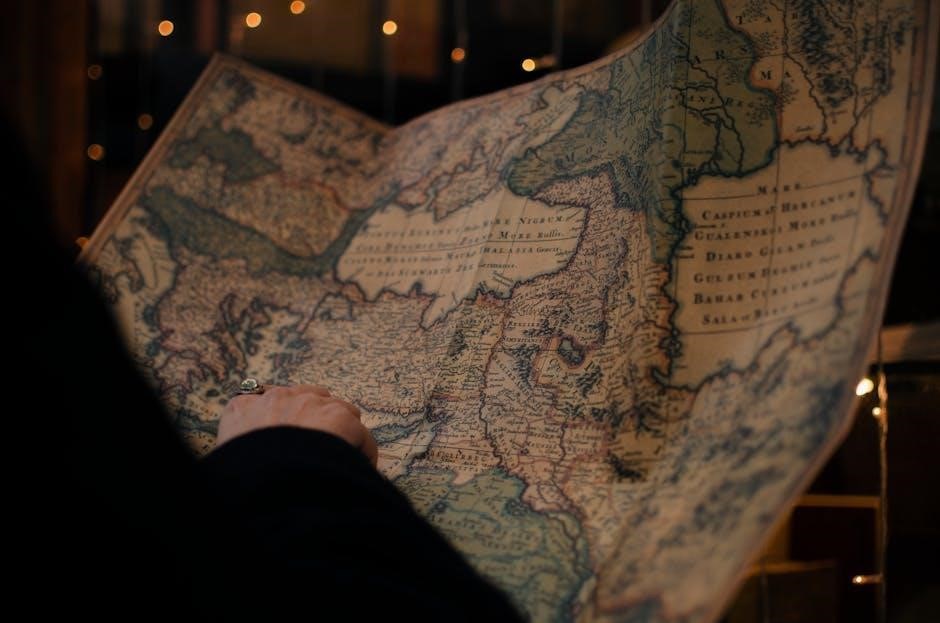
Reliable navigation is vital for a successful voyage à vélo․ While modern technology offers convenience, relying solely on it is risky․ Carry detailed paper maps of your route as a backup, familiarizing yourself with key landmarks and potential alternative routes․
A GPS cycling computer provides turn-by-turn navigation and tracks your progress․ Pre-load your route and download offline maps for areas with limited connectivity․ Smartphone apps like Komoot, Ride with GPS, and OsmAnd offer similar functionality․
Ensure your devices are adequately charged, and consider a power bank for extended trips․ Learn basic map-reading skills and practice using your chosen navigation tools before departure․ Combining traditional methods with technology ensures a safe and informed journey․
Repair Kit & Tools – The Essentials
Self-sufficiency is key on a long-distance cycle tour․ A comprehensive repair kit can save your journey․ Essentials include spare inner tubes (matching your tire size), tire levers, a multi-tool with Allen keys and screwdrivers, a chain tool, and a pump or CO2 inflator․
Carry patch kits for punctures, a spoke wrench, and cable ties for temporary fixes․ Don’t forget chain lube and a rag for cleaning․ Consider a small container of sealant for tubeless tires․ Learning basic bike maintenance – like changing a tire and adjusting brakes – is crucial․
Practice using your tools before you leave․ A well-stocked and understood repair kit minimizes delays and keeps you rolling, ensuring a smoother and more enjoyable voyage à vélo․
Physical & Mental Preparation
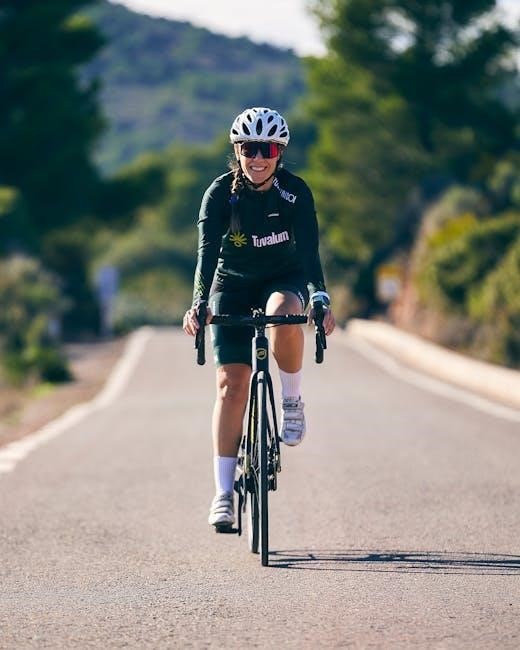
Success demands robust preparation! Build endurance, strategize nutrition and hydration, cultivate mental fortitude, and schedule a pre-trip medical check-up for a safe voyage․
Building Endurance for Long Rides
Preparing your body for the demands of a long-distance cycle tour is paramount․ Mollow’s journey to Japan, commencing in August 2024 after planning since late 2023, underscores the need for significant physical conditioning․ Begin with a gradual increase in mileage, incorporating both short, frequent rides and progressively longer weekend excursions․
Focus on consistent training rather than sporadic bursts of activity․ Interval training – alternating between high-intensity efforts and recovery periods – is exceptionally effective for building cardiovascular fitness․ Don’t neglect strength training, particularly exercises targeting your core, legs, and back, to prevent injuries and improve pedaling efficiency․ Simulate tour conditions by riding with a loaded bike, gradually increasing the weight to mimic your anticipated pannier load․ Remember to listen to your body and prioritize rest and recovery to avoid overtraining․
Nutrition & Hydration Strategies
Sustaining energy levels during Mollow’s ambitious voyage to Japan, initiated in August 2024 with preparation starting in late 2023, requires a carefully considered nutrition and hydration plan․ Prioritize carbohydrate-rich foods for fuel, consuming them consistently throughout the day, not just during rides․ Embrace a balanced diet including proteins and healthy fats for sustained energy and muscle recovery․
Hydration is equally crucial․ Drink water frequently, even before feeling thirsty, and consider electrolyte replacement drinks, especially in warmer climates․ Pack energy bars, gels, or dried fruit for quick boosts during challenging stretches․ Experiment with different fueling strategies during training rides to determine what works best for your body․ Proper nutrition and hydration aren’t just about performance; they’re vital for maintaining overall health and preventing fatigue on the road․
Mental Fortitude & Dealing with Challenges
Mollow’s voyage à vélo, commencing in August 2024 after planning since late 2023, demands significant mental resilience․ Long-distance cycling inevitably presents challenges – adverse weather, mechanical issues, and moments of loneliness․ Cultivate a positive mindset and embrace flexibility; not everything will go according to plan․
Break down the journey into smaller, manageable goals to avoid feeling overwhelmed․ Practice mindfulness or meditation to stay present and manage stress․ Develop coping mechanisms for setbacks, such as journaling or connecting with loved ones remotely․ Remember your motivation for undertaking this adventure and visualize success․ A strong mental game is as crucial as physical fitness for completing such an ambitious undertaking, ensuring a rewarding and fulfilling experience․
Pre-Trip Medical Check-up & Vaccinations
Prior to Mollow’s August 2024 departure – planned since late 2023 – a comprehensive medical evaluation is paramount․ Consult your doctor for a full physical examination, discussing your planned route and potential health risks․ This includes assessing your cardiovascular health, dental hygiene, and any pre-existing conditions․
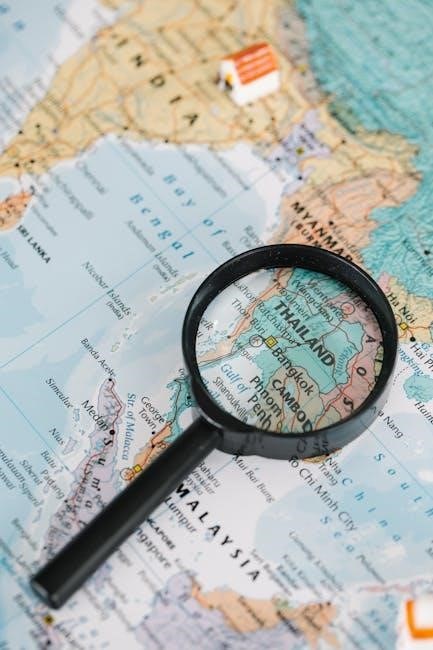
Research necessary vaccinations and prophylactic medications for the regions you’ll be traversing, particularly given the ambitious goal of reaching Japan․ Ensure your vaccinations are up-to-date and allow sufficient time for immunity to develop․ Obtain a detailed medical kit with prescription medications, pain relievers, and first-aid supplies․ Carry a medical summary outlining allergies, medical conditions, and emergency contact information․ Proactive healthcare safeguards a smoother, healthier journey․
On the Road: Practical Considerations
Navigating daily life while cycling requires foresight․ Consider lodging – camping or hotels – and consistent access to food and water sources along your route․
Accommodation Options: Camping vs․ Hotels
Choosing where to rest your head each night is a crucial decision for any long-distance cycle tourer․ Camping offers a significantly more budget-friendly option, allowing for immersion in nature and greater flexibility regarding route deviations․ However, it necessitates carrying additional weight in the form of a tent, sleeping bag, and cooking equipment․
Hotels, guesthouses, and hostels provide comfort, security, and a reliable hot shower – luxuries often appreciated after a long day in the saddle․ They also eliminate the need for carrying bulky camping gear, reducing overall weight․ However, accommodation costs can quickly escalate, significantly impacting your overall budget․
A hybrid approach, combining both camping and hotel stays, can offer the best of both worlds․ Strategically planning hotel nights in larger towns or during inclement weather, while utilizing campsites in more remote areas, allows for a balance between cost-effectiveness and comfort․
Food & Water Sourcing During Your Trip
Sustaining energy levels on a long-distance cycle tour requires careful planning regarding food and hydration․ Relying solely on restaurants can be expensive; therefore, self-sufficiency is key․ Carrying non-perishable snacks like energy bars, nuts, and dried fruit is essential for quick energy boosts between meals․
Grocery stores and local markets offer opportunities to replenish supplies and experience regional cuisine․ Planning routes that pass through towns with supermarkets is advisable․ Water is equally critical․ Carrying sufficient water capacity is vital, but refilling opportunities should be identified along the route․
Utilizing water filters or purification tablets provides access to water sources like streams and fountains, reducing the need to carry large volumes․ Always prioritize food safety and water hygiene to avoid illness during your voyage․
Safety Precautions & Road Awareness
Prioritizing safety is paramount during a long-distance cycle tour․ Wearing a properly fitted helmet is non-negotiable, and high-visibility clothing significantly enhances your presence to motorists․ Regularly inspect your bicycle for mechanical issues – brakes, tires, and chain – before each ride․
Road awareness is crucial․ Anticipate potential hazards like potholes, gravel, and uneven surfaces․ Be mindful of traffic, especially on busy roads, and utilize hand signals clearly․ Plan routes with lower traffic volume whenever possible․
Carry a first-aid kit and know basic first-aid procedures․ Inform someone of your route and expected arrival times, and consider a personal safety device․ Defensive cycling, assuming drivers may not see you, is a vital mindset․
Dealing with Mechanical Issues En Route
Inevitably, mechanical problems will arise during a long cycle tour․ A comprehensive repair kit – including spare tubes, tire levers, a multi-tool, pump, and chain tool – is essential․ Knowing how to fix a flat tire is the most fundamental skill, followed by basic brake and derailleur adjustments․
Practice these repairs before your trip! Online tutorials and local bike shops offer valuable guidance․ Carry a chain quick link and learn how to use it․ For complex issues beyond your skillset, locate nearby bike shops along your route․
Don’t hesitate to ask for help from locals; many are willing to assist․ Documenting your bike’s specifications and taking photos before departure can aid in identifying parts if replacements are needed․
Mollow’s Specific Journey: Insights & Lessons
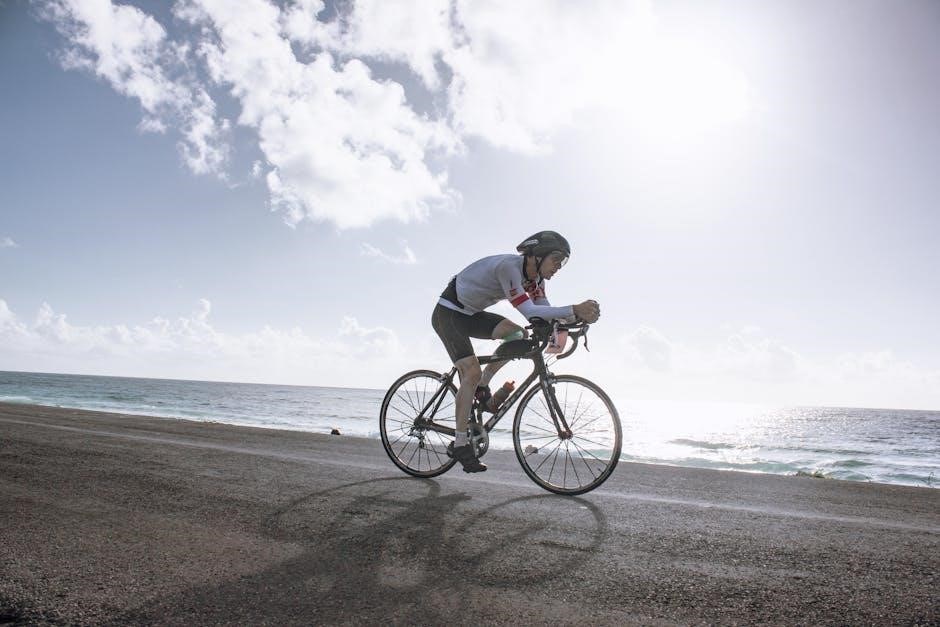
Mollow’s ambitious voyage to Japan, initiated in August 2024 after preparation since late 2023, provides invaluable lessons for aspiring bicycle tourists and adventurers․
August 2024 Departure & Japan as the Goal
On August 13th, 2024, a recently-turned-adult Mollow commenced his remarkable bicycle journey with Japan set as the ultimate destination․ This wasn’t a spontaneous decision; rather, it was the culmination of extensive planning undertaken since late 2023․ The voyage represents a significant personal challenge and a testament to meticulous preparation․
Choosing Japan as the endpoint signifies a desire for a culturally rich and geographically diverse cycling experience․ The sheer distance involved demands exceptional physical and mental endurance․ Mollow’s departure marks the beginning of a long-term commitment, fueled by passion and a well-defined objective․ This ambitious goal underscores the spirit of adventure central to the ‘Voyage à Vélo’ philosophy․
Preparation Timeline: From Late 2023
Mollow’s ambitious voyage wasn’t a spur-of-the-moment decision; comprehensive preparation began in late 2023․ This period involved meticulous route planning, assessing logistical challenges, and building the necessary physical and mental fortitude․ A crucial aspect was acquiring and maintaining the appropriate cycling equipment, ensuring reliability over vast distances․
The timeline also encompassed financial planning, budgeting for accommodation, food, potential repairs, and unforeseen circumstances․ Skill development, particularly in bicycle maintenance, was prioritized․ This proactive approach aimed to minimize disruptions during the journey․ The extensive preparation demonstrates a commitment to self-sufficiency and a realistic understanding of the demands of long-distance cycle touring, setting the stage for a successful departure in August 2024․
Challenges Faced & Overcome by Mollow
Undertaking a solo cycling journey to Japan presents numerous hurdles․ While specific details are still emerging, long-distance travel inevitably involves mechanical issues, unpredictable weather conditions, and the physical strain of daily riding․ Maintaining motivation and mental resilience over extended periods also poses a significant challenge․
Mollow’s success hinges on his ability to adapt to unforeseen circumstances and effectively troubleshoot problems on the road․ Resourcefulness in finding accommodation and food sources, coupled with diligent navigation, are crucial․ Overcoming language barriers and cultural differences will also be key․ His proactive preparation in late 2023 likely equipped him with the skills and mindset needed to navigate these obstacles and continue towards his ultimate destination․
Inspiration & Motivation from Mollow’s Voyage
Mollow’s ambitious voyage serves as a powerful testament to the spirit of adventure and the pursuit of personal goals․ Departing just after becoming an adult, his journey embodies courage, independence, and a willingness to embrace the unknown․ The meticulous planning undertaken since late 2023 demonstrates dedication and a proactive approach to achieving a challenging objective․
His story inspires others to step outside their comfort zones and explore the world through sustainable and immersive travel; The sheer scale of cycling to Japan highlights the potential for transformative experiences and the rewards of perseverance․ Mollow’s voyage is a reminder that with careful preparation and unwavering determination, seemingly impossible dreams can become reality, fostering a sense of possibility for aspiring adventurers․
The Future of Cycling Tourism
Cycling tourism is booming, generating 4․2 billion euros annually! Sustainable practices and continued growth trends promise an exciting future for bicycle touring adventures․
Sustainable Cycling Tourism Practices
Embracing eco-conscious travel is crucial for the longevity of cycling tourism․ Mollow’s voyage exemplifies a low-impact approach, minimizing carbon footprint through human-powered transportation․ Supporting local economies along the route – choosing locally-owned accommodations, restaurants, and shops – directly benefits communities․
Responsible cyclists prioritize leaving no trace, packing out all waste and respecting natural environments․ Opting for train travel for longer distances when feasible further reduces environmental impact․ Promoting cycling infrastructure development in destinations encourages wider adoption and reduces reliance on cars․
Educating fellow cyclists about sustainable practices and advocating for responsible tourism policies are vital steps․ By prioritizing environmental and social responsibility, we can ensure future generations enjoy the benefits of this incredible form of travel․
Growth Trends in Bicycle Touring
Bicycle touring is experiencing a significant surge in popularity, fueled by a desire for authentic travel experiences and a growing awareness of sustainable tourism․ The activity currently generates an impressive 4․2 billion euros annually in direct economic impact, demonstrating its substantial contribution to local economies․
This trend is driven by factors like increased accessibility of information through online resources and social media, inspiring journeys like Mollow’s․ The rise of gravel biking and adventure cycling expands route possibilities, attracting a wider audience․
Furthermore, the demand for slow travel and immersive cultural experiences aligns perfectly with the bicycle touring ethos․ Expect continued growth, with increased investment in cycling infrastructure and a greater focus on responsible and sustainable practices within the industry․