jellycat washing instructions
Jellycat Washing Instructions: A Comprehensive Guide
Jellycat, born in London and loved globally since 1999, crafts exceptionally soft toys bringing joy to all. This guide details how to carefully clean your cherished Jellycat companions, ensuring they remain huggable for years to come.
From Clyde Capybara to Amuseables, proper care maintains their exquisite textures and delightful colors, preserving the magic they bring to your family.
Understanding Jellycat Materials
Jellycat’s delightful plushies aren’t created with a single fabric; a variety of materials contribute to their unique softness and character. The vast majority are constructed from a super-soft, incredibly huggable polyester plush, making them wonderfully tactile. However, some Jellycat creations incorporate cotton, velboa, or even more specialized textured fabrics to achieve specific looks and feels.
Understanding the composition is crucial before attempting any cleaning. The fill material is typically high-quality polyester fibres, providing excellent resilience and shape retention. Certain Amuseables might feature bean bag weighting for a more posable experience, and these require extra care during washing to prevent damage to the internal beans.
The outer fabric’s delicacy varies. Some are more robust and can withstand gentle machine washing, while others are incredibly delicate and necessitate hand washing only. Always prioritize checking the product’s care tag – it’s your primary guide to appropriate cleaning methods. Knowing your Jellycat’s material composition is the first step towards preserving its softness and charm;
Determining Washability: Checking the Tag
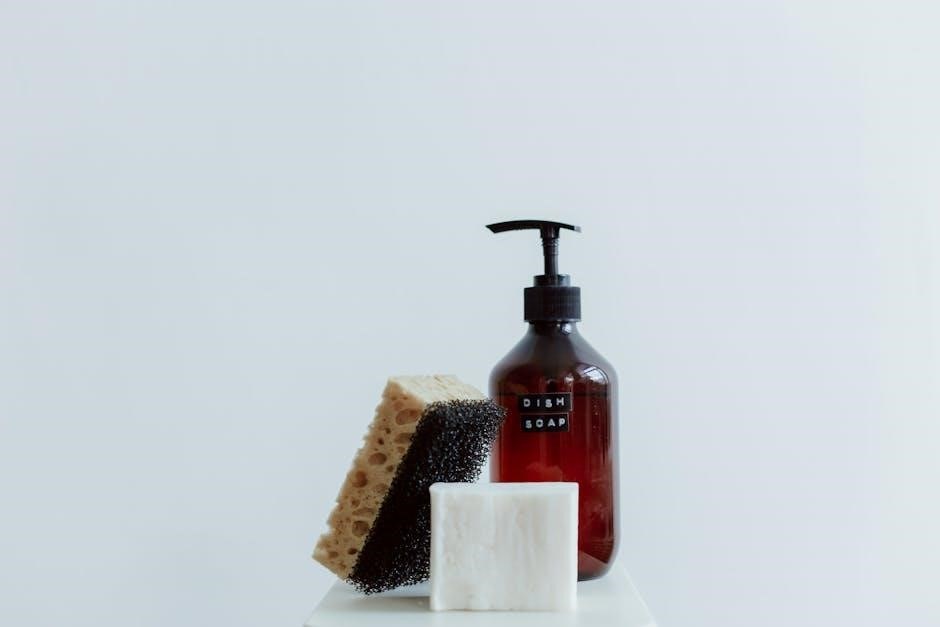
Before attempting to clean your beloved Jellycat, the care tag is your absolute first port of call. This small label, usually attached to a seam, provides vital instructions specific to that particular plushie’s materials and construction. Ignoring the tag can lead to irreversible damage, so careful examination is essential.
Tags typically display symbols indicating washability. A tub symbol signifies machine washing is permissible, but pay attention to the temperature indicated within (e.g., 30°C). A hand wash symbol means machine washing is not recommended, and gentle hand washing is the only safe option. A crossed-out tub indicates the plushie should not be washed at all.
Look for additional symbols regarding drying – a square with a circle inside suggests tumble drying, while a horizontal line indicates air drying. If the tag advises “surface wash only,” spot cleaning is the only recommended method. If the tag is missing or illegible, err on the side of caution and opt for hand washing or professional cleaning to protect your Jellycat friend.
Hand Washing Jellycat Plushies: The Gentle Approach
Hand washing is the safest method for most Jellycat plushies, especially those with delicate features or tags recommending it. Begin by filling a clean basin or sink with cool water. Avoid hot water, as it can damage the fibers and cause colors to bleed. Add a small amount of mild detergent – see the section on detergent choice for specifics.
Gently submerge the Jellycat in the soapy water, and delicately swirl it around. Avoid harsh scrubbing or twisting, which can distort its shape. Focus on gently squeezing the water through the plushie’s fur to release dirt. For localized stains, use a soft cloth to gently dab the area.
Once clean, drain the soapy water and refill the basin with clean, cool water. Rinse the Jellycat thoroughly, repeating until all traces of detergent are gone. Gently squeeze out excess water – do not wring. Wrap the plushie in a clean towel and gently press to absorb more moisture.
Choosing the Right Detergent for Jellycats
Selecting the appropriate detergent is crucial for maintaining your Jellycat’s softness and color. Harsh chemicals can damage the delicate plush fibers and fade vibrant hues. Therefore, always opt for a mild, pH-neutral detergent specifically designed for delicate fabrics or baby clothes. These formulations are less likely to cause irritation or discoloration.
Avoid detergents containing bleach, fabric softeners, or brighteners, as these can strip the plushie of its softness and alter its appearance. Enzyme-based detergents should also be used with caution, as they can break down the fibers over time. A gentle liquid detergent is generally preferable to powdered detergents, which may not dissolve completely and leave residue.
Before washing the entire Jellycat, perform a patch test on a small, inconspicuous area to ensure the detergent doesn’t cause any adverse reactions. Dilute the detergent properly according to the product instructions, using only a small amount to avoid over-soaping. Remember, a little goes a long way when caring for your beloved plush friend!
Step-by-Step Hand Washing Guide
Hand washing is the safest method for cleaning most Jellycat plushies, especially those with delicate features. Begin by filling a clean basin with cool water and adding a small amount of your chosen mild detergent. Gently submerge the Jellycat, ensuring it’s fully saturated. Avoid overcrowding the basin; wash one or two plushies at a time.
Gently swirl the Jellycat in the soapy water, avoiding harsh scrubbing or twisting. Focus on lightly squeezing the water through the plush to loosen dirt and grime. For localized stains, use a soft cloth dampened with soapy water to gently blot the affected area. Allow the Jellycat to soak for approximately 15-20 minutes.
Drain the soapy water and refill the basin with clean, cool water. Rinse the Jellycat thoroughly, repeating until all traces of detergent are removed. Gently squeeze out excess water – do not wring! – and wrap the plushie in a clean towel to absorb further moisture.
Machine Washing Jellycats: When It’s Possible
While hand washing is preferred, some Jellycat plushies can be machine washed, but caution is crucial. Always, always check the care tag first! If the tag indicates machine washing is permissible, proceed with care. This method is best suited for simpler designs without delicate embellishments or glued-on features. Avoid machine washing vintage or limited-edition Jellycats.
Before placing your Jellycat in the washing machine, ensure any loose accessories are removed. A cool, gentle cycle is absolutely essential, using a mild detergent specifically designed for delicates. Avoid using bleach or fabric softeners, as these can damage the plush’s fibers and colors.
To further protect your Jellycat during the wash cycle, always place it inside a mesh laundry bag. This prevents snagging and minimizes friction, preserving its shape and softness. Remember, even with these precautions, machine washing carries a slightly higher risk than hand washing, so proceed at your own discretion.
Selecting the Appropriate Machine Cycle
Choosing the right machine cycle is paramount when washing your Jellycat plush. A delicate or gentle cycle is non-negotiable; these cycles utilize slower agitation and lower spin speeds, minimizing stress on the plush’s delicate fibers. Avoid any cycles labeled “heavy duty” or “permanent press,” as these are far too aggressive.
Water temperature is equally important. Always opt for cold water – hot water can cause colors to fade, fabrics to shrink, and glued-on features to detach. A cold wash helps preserve the integrity of the Jellycat’s materials and prevents unwanted changes to its appearance.
Spin speed should also be kept to a minimum. A low spin speed reduces the risk of the plush becoming misshapen or damaged during the drying process. If your washing machine allows for customized cycle settings, prioritize the gentlest options available. Remember, the goal is a thorough clean without compromising the plush’s softness and form.
Using a Mesh Laundry Bag for Protection
Employing a mesh laundry bag is a crucial step in safeguarding your beloved Jellycat during machine washing. These bags act as a protective cocoon, shielding the plush from direct friction against the washing machine drum and other garments. This significantly reduces the risk of snagging, tearing, or damage to delicate features like eyes or noses.
Opt for a mesh bag large enough to comfortably accommodate the Jellycat without overcrowding. A cramped bag restricts water circulation and can hinder effective cleaning. Ensure the bag is securely closed before starting the wash cycle to prevent the plush from escaping.
Consider using multiple bags for larger Jellycat friends or those with intricate details. This provides an extra layer of protection and prevents parts from becoming tangled. A mesh bag isn’t merely a convenience; it’s a vital investment in preserving the longevity and pristine condition of your cherished plush companion, ensuring years of cuddles.
Drying Your Jellycat: Air Drying is Key
Jellycat plushies demand a gentle drying approach, and air drying is unequivocally the preferred method. Avoid the temptation of using a tumble dryer, as the high heat can melt synthetic fibers, distort the shape, and damage delicate features. Patience is paramount in preserving your plush’s softness and integrity.
Gently reshape the Jellycat while it’s still damp, restoring its original form. Lay it flat on a clean, dry towel or hang it in a well-ventilated area, away from direct sunlight or heat sources. Direct sunlight can cause fading, while heat can compromise the filling.
Turning the plush periodically during the drying process ensures even airflow and prevents mildew. Depending on the size and thickness, air drying can take several hours, or even a couple of days. Resist the urge to rush; a thoroughly air-dried Jellycat will reward you with lasting cuddliness and charm.
Avoiding Direct Sunlight and Heat
Protecting your beloved Jellycat from direct sunlight and heat is crucial for maintaining its vibrant colors and delicate structure. Prolonged exposure to sunlight can cause significant fading, diminishing the plush’s original charm and aesthetic appeal. The UV rays break down the dyes used in the fabrics, leading to a washed-out appearance over time.
Similarly, heat – whether from radiators, direct sunlight streaming through a window, or a tumble dryer – poses a serious threat. Heat can melt the synthetic fibers used in both the outer material and the filling, causing irreversible deformation and potentially damaging the plush’s internal structure. This can result in a loss of shape and a generally worn appearance.
When air drying your Jellycat, always choose a shaded, well-ventilated area. Avoid placing it near heat sources. Remember, gentle care is key to preserving the softness and huggability of your cherished companion, ensuring years of joyful companionship.
Spot Cleaning for Minor Stains
For small, localized stains on your Jellycat plush, spot cleaning offers a gentle and effective solution, minimizing the risk of overall damage. Begin by gently blotting the stain with a clean, damp (not soaking wet!) cloth. Avoid rubbing vigorously, as this can spread the stain and potentially damage the delicate fibers.
If water alone isn’t sufficient, prepare a mild solution of lukewarm water and a very small amount of gentle detergent – the same one you’d use for hand washing (see other sections for detergent recommendations). Dip a clean cloth into the solution, wring it out thoroughly, and gently blot the stain.
Follow up with a clean, damp cloth to remove any detergent residue. Finally, blot the area dry with a clean, dry towel. Allow the spot to air dry completely, away from direct sunlight or heat. This method is ideal for addressing minor mishaps and keeping your Jellycat looking its best between more thorough cleans.
Dealing with Stubborn Stains
When faced with stubborn stains on your beloved Jellycat, a more targeted approach is needed, but proceed with caution. First, revisit the spot cleaning method described previously, potentially repeating the process several times. If the stain persists, consider a paste made from a small amount of gentle detergent and water.
Apply the paste very carefully to the stain, avoiding surrounding fabric. Gently work it into the stain with a soft-bristled brush (like a baby toothbrush), using circular motions. Let the paste sit for a maximum of 15-20 minutes, then rinse thoroughly with cool water, ensuring all traces of detergent are removed.
Blot dry with a clean towel and allow to air dry completely. For particularly difficult stains, or if you’re unsure about the fabric’s reaction, professional cleaning is always the safest option. Remember, harsh chemicals can damage the plush, so always prioritize gentle methods and test in an inconspicuous area first. Protecting your Jellycat’s softness is key!
Restoring Fluffiness After Washing
Even with the gentlest washing methods, Jellycat plushies can sometimes lose their signature fluffiness. Don’t worry, restoring that cuddly texture is often achievable! Once your Jellycat is completely dry – and remember, air drying is crucial – it’s time for re-fluffing.
Begin by gently shaking the plushie to redistribute the filling. Next, use your fingers to carefully tease apart any clumps of stuffing, working from the limbs towards the body. Avoid pulling or stretching the fabric. A soft-bristled brush can also be helpful for gently brushing the fur in its natural direction.
For a deeper fluff, consider placing the Jellycat in the dryer on a very low heat setting with a couple of clean, dry tennis balls (encased in socks to prevent dye transfer) for 10-15 minutes. This helps to break up any remaining clumps. Regular brushing will maintain the fluffiness, keeping your Jellycat irresistibly soft and huggable for years to come.
Re-Fluffing Techniques
Reviving a flattened Jellycat is a simple process, bringing back that beloved, cuddly form. Start with a thorough shake – a vigorous, yet gentle, shake helps redistribute the internal filling. Next, employ the “massage” technique: gently knead the plushie, focusing on areas that appear compressed. This loosens the fibers and encourages them to expand.
For more stubborn areas, use your fingers to carefully separate any matted stuffing. Work slowly and patiently, avoiding any harsh pulling that could damage the fabric. A wide-tooth comb, used very gently, can also assist in detangling the fur. Remember, Jellycat’s quality materials deserve a delicate touch.
A final trick involves a low-heat tumble in the dryer with clean tennis balls (protected by socks!). The tumbling action and the balls help to break up clumps and restore volume. Always supervise this process and limit it to a short cycle. Consistent, gentle re-fluffing will keep your Jellycat looking and feeling its best.
Specific Instructions for Jellycat Amuseables
Jellycat Amuseables, with their unique, sculpted faces and velvety textures, require extra care during cleaning. Due to their distinct construction, traditional machine washing is generally discouraged. Hand washing is the preferred method to preserve their shape and delicate features.
When hand washing, use cool water and a mild detergent, gently dabbing at any soiled areas rather than vigorous scrubbing. Avoid fully submerging the Amusable, as this can distort its form. Pay particular attention to the facial details, ensuring no detergent residue remains.
Rinsing should be minimal, using a damp cloth to remove any remaining soap. Amuseables are prone to holding water, so thorough drying is crucial. Air drying is essential, and gently reshaping the face while damp helps maintain its characteristic expression. Avoid direct sunlight or heat, which can fade colors and damage the plush. A little patience ensures your Amusable stays perfectly huggable!
Washing Vintage or Limited Edition Jellycats
Vintage or Limited Edition Jellycats represent a special connection to the brand’s history and often possess unique materials or construction. Due to their age and potential fragility, extreme caution is paramount when considering cleaning. Generally, professional cleaning is strongly recommended to avoid irreversible damage.
If professional cleaning isn’t feasible, a very gentle hand wash is the only acceptable alternative. Use cool water and the mildest possible detergent, testing a hidden area first for colorfastness. Avoid any rubbing or scrubbing; instead, gently blot the surface. Rinsing should be minimal, and drying must be entirely air-based, away from any heat source.
These older Jellycats may have delicate internal structures or faded colors. Aggressive cleaning can compromise their structural integrity and further diminish their appearance. Prioritize preservation over perfection; sometimes, a light surface clean is preferable to risking damage. Remember, these are cherished collectibles!
Professional Cleaning Options for Delicate Jellycats
For particularly delicate Jellycats – those with intricate details, embellishments, or constructed from sensitive materials – professional cleaning offers the safest and most effective solution. Specialist plush toy cleaners possess the expertise and tools to handle these items with the utmost care.
These services typically employ specialized techniques, including dry cleaning methods adapted for plush, or gentle wet cleaning with pH-neutral solutions. They understand the nuances of different fabrics and fillings, minimizing the risk of damage, discoloration, or distortion.
Locating a reputable cleaner specializing in plush toys is crucial. Inquire about their experience with Jellycat specifically, and their approach to cleaning delicate items. Discuss any concerns you have regarding specific stains or vulnerabilities.
While more expensive than DIY methods, professional cleaning provides peace of mind, ensuring your treasured Jellycat receives the best possible care, preserving its softness and charm for years to come. It’s a worthwhile investment for beloved companions.
Preventative Care: Keeping Your Jellycat Clean
Proactive care significantly reduces the need for frequent, intensive cleaning of your Jellycat plush. Regular light maintenance preserves their pristine condition and extends their lifespan, keeping them huggable and delightful for longer.
Frequent fluffing helps maintain shape and prevents compression of the filling. Gently brushing with a soft-bristled brush removes surface dust and debris. Spot cleaning minor marks promptly prevents them from setting.
Consider using a protective spray designed for delicate fabrics, creating a barrier against spills and stains. Store Jellycats in a clean, dry environment, away from direct sunlight and potential contaminants.
Encourage gentle handling, especially by younger children. Avoid exposing Jellycats to harsh chemicals, perfumes, or excessive moisture. Regularly rotating which Jellycat is displayed can also help distribute wear and tear.
By incorporating these simple preventative measures, you can enjoy your Jellycat’s softness and charm for years to come, minimizing the need for more involved cleaning procedures.