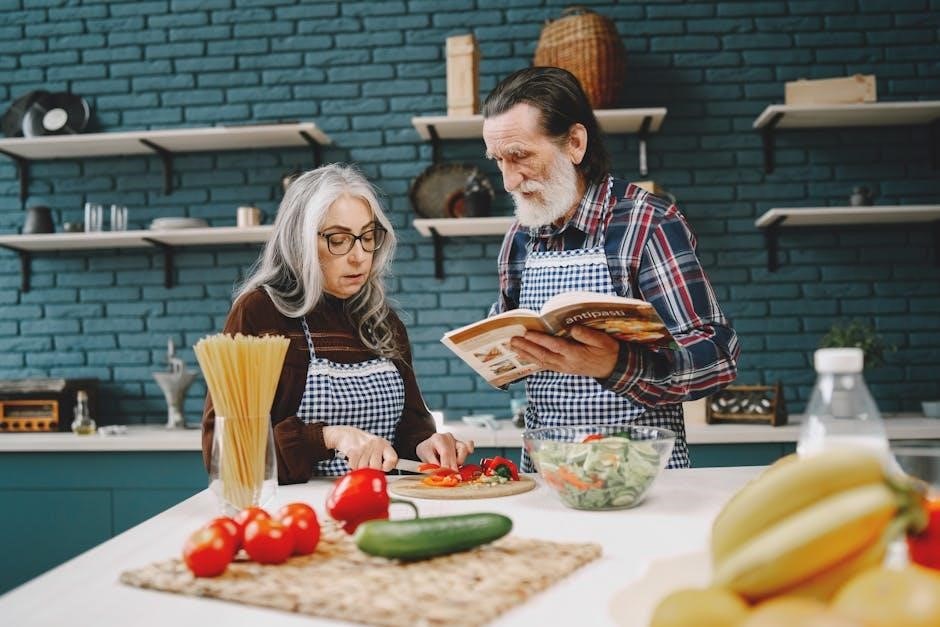
the good wife guide 1955
The 1955 “Good Wife’s Guide”: A Historical Overview
Published in May 1955 by Good Housekeeping magazine‚ this guide offered advice on domesticity.
It quickly became a cultural touchstone‚ sparking debate and analysis for decades to come‚ and continues to do so today.
Publication Date and Context: May 1955
The “Good Wife’s Guide” first appeared in the May 1955 issue of Good Housekeeping magazine‚ a widely circulated publication aimed at homemakers. This timing is crucial‚ as 1955 sat squarely within the post-World War II era‚ a period characterized by a strong emphasis on traditional gender roles in the United States. The article’s emergence wasn’t isolated; it reflected and reinforced prevailing societal expectations regarding women’s roles within the family and the home.
Several online sources‚ including AnandTech Forums and Reddit’s r/RedPillWomen‚ confirm the publication date and source. The context of the time saw a cultural push towards domesticity‚ with women largely encouraged to prioritize marriage‚ motherhood‚ and maintaining a comfortable home for their husbands and children. The guide wasn’t presented as revolutionary‚ but rather as a compilation of accepted norms‚ offering advice on how to best fulfill these expected duties. Even Snopes.com acknowledges the guide’s origins in this era‚ linking it to home economics education.
The Article’s Core Focus: Domesticity and Husband-Centricity
At its heart‚ the 1955 “Good Wife’s Guide” relentlessly focused on a wife’s duties within the domestic sphere‚ explicitly centering her life around the needs and comfort of her husband. The advice detailed within consistently prioritized creating a welcoming home environment and ensuring her husband’s happiness upon his return from work. This wasn’t simply about housekeeping; it encompassed managing her appearance‚ controlling her conversation‚ and providing unwavering emotional support – all geared towards pleasing her spouse.
As highlighted by multiple sources‚ including Reddit discussions and articles referencing the guide‚ the core message revolved around a wife’s role as a facilitator of her husband’s well-being. The guide’s instructions weren’t about partnership or equality‚ but about fulfilling a prescribed role. Even the framing of the advice‚ as noted by Dusty Old Thing‚ emphasizes anticipating and catering to a husband’s needs after a “long day at work‚” solidifying this husband-centric approach.
Key Advice from the Guide
The guide stressed preparing for a husband’s arrival‚ maintaining a spotless home‚ prioritizing appearance‚ and offering supportive conversation – all to ensure marital bliss.
Preparing for Husband’s Arrival Home
The 1955 guide dedicated significant attention to the ritual of a husband’s homecoming. It wasn’t simply about having dinner ready; it was a carefully orchestrated performance of wifely devotion. Women were instructed to prepare themselves mentally and physically for his arrival‚ ensuring a calm and welcoming atmosphere.
Specifically‚ the advice included freshening makeup‚ changing into a clean dress or housecoat‚ and arranging hair neatly. A woman should immediately abandon any tasks‚ even important ones‚ upon hearing his footsteps. The goal was to present a picture of serene domesticity‚ a haven from the stresses of his workday.

Furthermore‚ a cheerful greeting and immediate attention to his needs – offering a drink‚ taking his coat – were paramount. Any complaints or discussion of personal problems were strictly forbidden until he initiated the conversation‚ demonstrating a complete prioritization of his emotional state.
Maintaining a Welcoming Home Environment
According to the 1955 guide‚ a wife’s primary responsibility was creating a sanctuary for her husband and family. This extended far beyond basic cleanliness; it demanded a constant state of readiness and meticulous attention to detail. The home was to be a haven‚ free from any signs of disorder or stress.
The guide emphasized the importance of a spotless home‚ with furniture polished‚ floors gleaming‚ and everything in its designated place. Fresh flowers were encouraged‚ and a pleasant aroma – achieved through baking or cleaning products – was considered essential. It wasn’t merely about hygiene‚ but about projecting an image of domestic perfection.

Furthermore‚ the atmosphere should be calm and peaceful. Loud noises‚ arguments‚ or any visible signs of tension were to be avoided. The wife was expected to anticipate her husband’s needs and ensure his comfort‚ creating a space where he could fully relax and recharge.
Appearance and Personal Grooming Expectations
The 1955 “Good Wife’s Guide” placed significant emphasis on a woman’s physical appearance‚ viewing it as integral to her role as a supportive partner. A wife was expected to be consistently well-groomed‚ presenting a polished and attractive image for her husband.
This included meticulous attention to hair‚ makeup‚ and clothing. The guide suggested that a wife should always be dressed in clean‚ attractive attire‚ even when performing household chores. While practicality was acknowledged‚ it was never to come at the expense of femininity.
Furthermore‚ personal hygiene was paramount. Regular bathing‚ skincare‚ and attention to details like manicured nails were considered essential. The underlying message was clear: a wife’s appearance reflected directly on her husband‚ and maintaining it was a demonstration of her dedication and respect.
Conversation and Emotional Support Guidelines
The “Good Wife’s Guide” of 1955 dictated a specific approach to conversation and emotional support‚ heavily centered around the husband’s needs. Wives were advised to be attentive listeners‚ offering encouragement and avoiding topics that might cause discord or stress for their husbands.
Complaining was strongly discouraged; a wife’s role was to be a source of positivity and reassurance. Discussions about personal ambitions or frustrations were largely absent from the guide’s recommendations. Instead‚ the focus was on creating a harmonious home environment where the husband could relax and feel appreciated.
Emotional support primarily involved validating his opinions and offering praise. A wife was expected to be a sounding board‚ but not to challenge or contradict her husband’s viewpoints. The ideal was a supportive‚ yet deferential‚ partner.
Social and Cultural Context of the 1950s
Post-war America embraced traditional gender roles‚ with women largely confined to the domestic sphere. Home economics education reinforced these norms‚ shaping expectations for wives and mothers.
Post-War Gender Roles and Expectations
Following World War II‚ a strong societal push towards traditional gender roles took hold in the United States. Men were largely expected to be the breadwinners‚ focusing on their careers and providing financial stability for their families; Simultaneously‚ women were increasingly encouraged to embrace their roles as homemakers‚ wives‚ and mothers. This wasn’t a new concept‚ but the war’s end amplified existing expectations.
The “Good Wife’s Guide” perfectly encapsulates this prevailing ideology. It assumed a clear division of labor‚ with the husband’s needs and comfort taking precedence. A wife’s worth was heavily tied to her ability to maintain a spotless home‚ prepare delicious meals‚ and provide unwavering emotional support for her husband. Her identity was largely defined by her relationship to her husband and children‚ rather than individual aspirations. This expectation was deeply ingrained in the culture‚ influencing everything from advertising to educational materials.
Deviation from these norms was often met with social disapproval‚ reinforcing the pressure on women to conform. The guide‚ therefore‚ wasn’t simply offering suggestions; it was reflecting and perpetuating a deeply held societal belief system.
The Idealized Domestic Sphere
The 1950s fostered a powerfully romanticized vision of the home – a sanctuary of comfort‚ order‚ and familial bliss. This “idealized domestic sphere” wasn’t merely a place of residence; it was presented as a woman’s domain‚ her primary source of fulfillment‚ and the cornerstone of a stable society. Magazines like Good Housekeeping actively contributed to this image‚ showcasing perfectly decorated homes and offering advice on achieving domestic perfection.
The “Good Wife’s Guide” directly catered to this ideal‚ emphasizing the importance of creating a welcoming and aesthetically pleasing environment for her husband. A clean‚ organized‚ and beautifully decorated home signaled a wife’s competence and devotion. This wasn’t about practicality alone; it was about creating a haven from the stresses of the outside world‚ a space where her husband could relax and recharge.
This focus on domesticity also served to reinforce the separation between the public sphere (work‚ politics) and the private sphere (home‚ family)‚ solidifying traditional gender roles.
Influence of Home Economics Education
Home Economics played a crucial role in shaping the expectations outlined in the “Good Wife’s Guide.” Throughout the mid-20th century‚ this field was a standard part of girls’ education‚ explicitly preparing them for their future roles as homemakers. Curricula focused on cooking‚ cleaning‚ sewing‚ budgeting‚ and childcare – skills deemed essential for maintaining a successful household.
The advice presented in the guide wasn’t radical or new; it largely codified the principles taught in Home Economics classes. It reflected the prevailing belief that a woman’s intelligence and value lay in her ability to efficiently manage a home and cater to her family’s needs. Snopes.com notes the guide’s potential origins in home economics textbooks of the era.
This educational framework reinforced the idea that domesticity was a skilled profession‚ albeit an unpaid one‚ and that mastering these skills was vital for a woman’s happiness and social standing.

Debates and Controversies Surrounding the Guide
Questions arose regarding authenticity‚ with Snopes investigating its origins. Despite debate‚ the guide ignited modern feminist criticism and sparked discussions about societal norms.
Authenticity and Snopes Investigation

The origins of the “Good Wife’s Guide” have been subject to scrutiny‚ particularly concerning its purported publication in the May 1955 issue of Good Housekeeping magazine. While widely circulated online as originating from that source‚ investigations‚ notably by Snopes.com‚ have cast doubt on its direct lineage to the magazine.
Snopes’ research suggests the guide didn’t appear in Good Housekeeping as a standalone article. Instead‚ it appears to have evolved from advice found within 1950s-era home economics textbooks and related materials. The phrasing and content align with the instructional tone prevalent in those educational resources‚ focusing heavily on domestic skills and wifely duties.
The exact pathway of its dissemination remains unclear‚ but the guide gained significant traction online in the early 2000s‚ often presented as a direct quote from the magazine. This misattribution fueled much of the subsequent discussion and controversy surrounding its content. Despite questions about its precise origin‚ the guide undeniably reflects the prevailing societal expectations of women during the 1950s.
Modern Reactions and Feminist Criticism
The “Good Wife’s Guide” elicits strong reactions today‚ often framed through a modern feminist lens. Contemporary audiences frequently view the advice as deeply patriarchal and restrictive‚ highlighting its emphasis on female subservience and the prioritization of a husband’s needs above a woman’s own aspirations. The guide’s instructions regarding appearance‚ conversation‚ and emotional labor are particularly criticized.
Feminist scholars and commentators analyze the guide as a stark representation of the limited roles available to women in the 1950s. It exemplifies the societal pressure to conform to a narrow definition of femininity centered around domesticity and pleasing a male partner. The text is often used to illustrate the historical struggles for gender equality and the fight against restrictive gender roles.
However‚ some also view the guide as a valuable historical artifact‚ offering insight into the prevailing norms of the era. While condemning its content‚ they acknowledge its significance in understanding the evolution of gender dynamics and the progress made towards greater equality.
The Guide as a Reflection of Societal Norms
The 1955 “Good Wife’s Guide” wasn’t an anomaly; it mirrored deeply ingrained societal norms of the post-war era. Following World War II‚ there was a strong push for women to return to the domestic sphere‚ reinforcing traditional gender roles. The guide codified these expectations‚ presenting them as essential for a successful marriage and a harmonious home life.
It reflected a cultural emphasis on male breadwinning and female homemaking. A woman’s value was largely defined by her ability to create a comfortable and supportive environment for her husband and children. The guide’s advice on appearance‚ hospitality‚ and emotional support directly catered to this expectation.
Furthermore‚ the guide’s popularity suggests widespread acceptance of these norms at the time. It wasn’t necessarily prescriptive‚ but rather descriptive of the prevailing attitudes and beliefs surrounding marriage and gender roles within the 1950s American society.

Legacy and Continued Discussion
The guide’s resurgence online demonstrates its enduring power as a cultural artifact. It serves as a historical case study‚ prompting ongoing conversations about gender dynamics and expectations.
The Guide’s Resurgence in Online Culture
The “Good Wife’s Guide” experienced a remarkable revival with the rise of the internet‚ particularly in the 2010s and continuing today. Platforms like AnandTech Forums‚ Reddit (specifically r/RedPillWomen)‚ and various blogs like Dusty Old Thing‚ have all featured discussions and shares of the article. This renewed interest is fueled by its shocking and often humorous depiction of mid-20th century gender roles.
The guide’s virality stems from its stark contrast to modern values‚ prompting reactions ranging from amusement to outrage. It’s frequently shared as a cautionary tale‚ illustrating the historical constraints placed upon women. Social media allows for rapid dissemination and commentary‚ amplifying its impact and ensuring its continued relevance in contemporary discourse. The Snopes investigation into its authenticity‚ while questioning its precise origins‚ hasn’t diminished its cultural significance as a symbol of a bygone era.
Its Use as a Historical Case Study
The 1955 “Good Wife’s Guide” serves as a potent historical case study for understanding evolving societal norms surrounding gender‚ marriage‚ and domesticity. Academics and researchers utilize it to analyze post-war American culture‚ specifically the intense pressure on women to conform to idealized roles as homemakers and supportive wives.
The guide exemplifies the influence of home economics education‚ prevalent at the time‚ which reinforced these expectations. Examining the text reveals the deeply ingrained belief in distinct spheres – the husband’s public world of work and the wife’s private world of the home. Its resurgence in online discussions‚ as noted on platforms like Reddit and forums‚ demonstrates its continued value in illustrating historical power dynamics and sparking critical conversations about gender equality and societal progress. It’s a tangible artifact of a specific moment in time.
Relevance to Contemporary Gender Dynamics
Despite originating in 1955‚ the “Good Wife’s Guide” maintains surprising relevance to contemporary discussions about gender dynamics. While overtly outdated‚ it highlights persistent societal expectations placed upon women – often involving emotional labor and maintaining harmonious domestic environments. The guide’s viral nature‚ particularly online‚ demonstrates a continued fascination with‚ and often critique of‚ traditional gender roles.
Analyzing the guide prompts reflection on the subtle ways these expectations manifest today‚ even as overt sexism declines. It fuels conversations about the division of labor in households‚ the pressures on women to prioritize others’ needs‚ and the ongoing struggle for equitable partnerships. The Snopes investigation into its authenticity‚ and subsequent debates‚ underscore the importance of critically examining historical narratives and their impact on present-day attitudes.